

Articles tagged with 'Animal behaviour'
What does my dog’s body language mean?
A dog’s body language can be subtle, so it’s not always easy to accurately read how they’re feeling. It is important to keep an eye on your dog’s behaviour and be on the lookout for any changes, as these can be a sign that something is wrong.
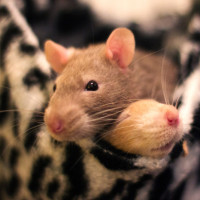
What company do my pet rats need?
Rats need the company of other rats and usually coexist happily together as long as they have enough space, resources, and opportunities to engage in behaviours they find rewarding, especially chewing and hiding/burrowing.
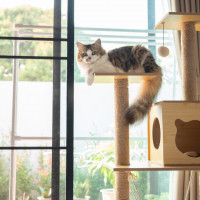
Why are protective behaviours in cats important?
Protective behaviours are not “bad” behaviours Hissing, growling, hiding, or moving away are normal behaviours that help cats communicate discomfort and avoid conflict. These behaviours help cats prevent situations from escalating to physical aggression.
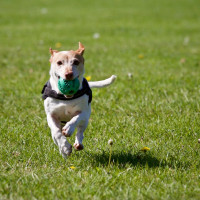
What should I know before taking my dog to an ‘off-leash’ park?
Off-leash dog parks offer many physical and mental benefits for dogs and people including the opportunity to exercise, socialise, and enjoy fresh air, training, and play. Are off-leash dog parks suitable for all dogs?
How should I care for my backyard chickens?
The keeping of backyard poultry, once an almost universal practice in Australia, declined in the 1970s and 80s, but is now enjoying a resurgence in popularity. People are keeping poultry for food (e. g. , eggs), as pets, and as show birds.
Will my newborn baby be safe around my dog?
Never leave your baby and dog together unsupervised! Many dogs adjust well to the arrival of a newborn. Nevertheless, preparation and precautions are essential. The information below is general and should be tailored to suit the individual dog and specific circumstances.
What are virtual fencing and virtual herding and do they affect animal welfare?
Virtual fencing remotely monitors and controls livestock grazing behaviour without the use of physical fences.
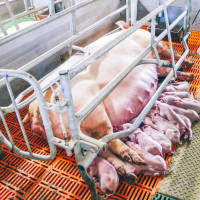
What are the animal welfare issues with farrowing crates for sows?
In Australia, most pigs are housed in intensive indoor systems. In these intensive systems, pigs may be confined and raised in barren environments, which leads to a higher risk of pigs experiencing poor welfare outcomes.
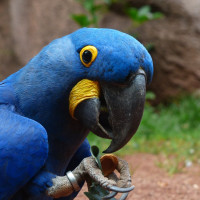
How do I know if this is my bird?
Identifying your bird with confidence Can you honestly say that, if your bird was in a cage full of similar birds (species, sex, and colour) that you could unhesitatingly point to one of them and say, “That’s my bird!
How should I interact with and handle my rats?
Their curious nature and friendly disposition generally make rats relatively easy to handle and their intelligence makes them easy to train. You should only use positive reinforcement (reward-based training using food treats and other things they value) to train them and they must never be punished.