

Living with Wildlife
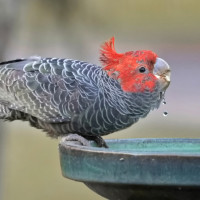
How can I help wildlife during a heatwave?
Provide water but not food Leave bowls of fresh, clean water out in shady locations. Shallow dishes are better for smaller animals. If you use a large container make sure to provide a rock or stick so that small animals can climb out.
What is the RSPCA’s view on keeping native animals as pets?
In the past, native animals could not be kept as companion animals unless a government permit was issued. However, over the past few years, some jurisdictions across Australia have allowed and continue to allow certain species of native animals to be kept as pets without requiring a permit.
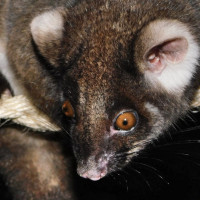
How can I live happily with the possums on my property?
Brushtail and ringtail possums are both native marsupial species that have adapted well to urbanisation and are commonly found dwelling in Australian gardens. Ringtail possums are a social species that build nests of bark and leaves called ‘drays’ in which they usually dwell as a family.
I have birds nesting on the outside of my house, what should I do?
There are several species of birds that choose to build their nests around human habitation such as houses and sheds. Sometimes this can look messy and cause problems such as build up of droppings under the nest.
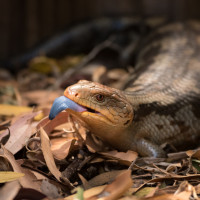
There’s a blue-tongue lizard in my backyard, what should I do?
The first thing to do is, relax! Blue-tongue lizards are not poisonous and do not pose any threat to people or their pets.
There’s a snake in my backyard, what should I do?
The most likely time for people to encounter snakes in their garden is spring when snakes are becoming more active. If you see a snake in your garden or house, do not try to catch or kill the snake.
How can I live happily with flying foxes?
There are four types of flying foxes which are native to mainland Australia; black, grey-headed, little red and spectacled flying foxes. They are fruit-eating flying mammals, similar to bats, which live in large colonies or camps, often in close proximity to people.
How can I deter wild ducks and other birds from my swimming pool?
The following information provides some tips about how to deter ducks and other birds from pools: Change the landscape to make it less attractive to the birds Geese and ducks are attracted to areas with open water and large expanses of grass, such as golf courses, parks, and large lawns.
Can fruit-tree netting be wildlife friendly?
Yes, if you use the correct netting and install it properly, backyard fruit tree netting can be ‘wildlife friendly’. However, if not used in the correct manner, netting can pose a serious risk to wild animals.
How can I stop birds flying into my windows or attacking my car?
An Australian magpie-lark. Sometimes birds accidentally fly into windows as they cannot see the transparent glass and reflections on the surface of the glass can confuse them, making them think they are flying into open air.