

Living with Wildlife
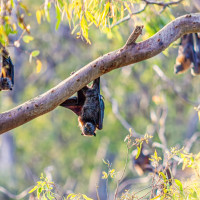
Should flying foxes be culled or dispersed to protect horses against Hendra virus?
Flying fox numbers are considered to be declining and some species are even classified as vulnerable to extinction. The reason we may now be more aware of flying foxes is due to the destruction of their natural habitat through urban development.
How can habitat loss affect animal welfare?
Habitat loss and fragmentation are significant threats to the welfare of individual animals, biodiversity and species survival. RSPCA Australia recognises the critical need to prevent these negative impacts.
How can I safely attract birds and other wildlife to my backyard?
Birds and wildlife can be attracted to backyards in a way that creates harmony for plants, people and animals.
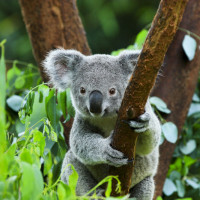
What are the options to improve wild koala welfare?
Koalas are an iconic Australian species, known to attract thousands of tourists every year. Koalas living in the wild suffer a range of negative impacts due primarily to habitat loss, climate change, vehicle collision, and dog attacks. Consequences include pain, injury, fear, stress, incapacitation, starvation, and death.
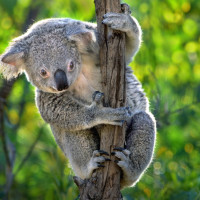
How do human activities impact koalas?
The koala (Phascolarctos cinereus) is an iconic Australian species primarily found in eucalypt forests along the eastern and southeastern coasts of Australia. Despite their uniqueness and popularity, koalas face numerous threats to their survival, primarily due to human activities.
What are the risks to native wildlife with using poison to kill rodents?
Poisons, such as anticoagulant rat bait (known as anticoagulant rodenticides), are commonly used to kill rodents in residential, commercial and agricultural settings, but they pose a significant risk to native wildlife, either by direct ingestion of baits or ingestion of poisoned rodents.
What are the animal welfare issues associated with feeding wildlife?
While feeding wildlife, especially birds, is a relatively common practice in Australia, this activity can cause negative impacts including nutritional imbalances, disease spread, behavioural alterations and wildlife dependency on humans.