

Articles tagged with 'Snakes and lizards'
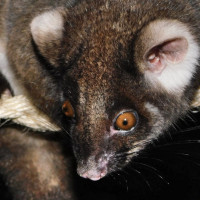
What is the RSPCA’s view on keeping native animals as pets?
In the past, native animals could not be kept as companion animals unless a government permit was issued. However, over the past few years, some jurisdictions across Australia have allowed and continue to allow certain species of native animals to be kept as pets without requiring a permit.
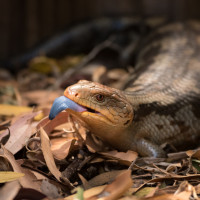
There’s a blue-tongue lizard in my backyard, what should I do?
The first thing to do is, relax! Blue-tongue lizards are not poisonous and do not pose any threat to people or their pets.
There’s a snake in my backyard, what should I do?
The most likely time for people to encounter snakes in their garden is spring when snakes are becoming more active. If you see a snake in your garden or house, do not try to catch or kill the snake.
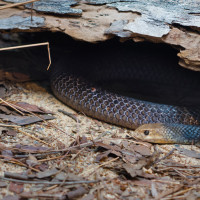
How can I help protect my pets from snakes?
Snakes are attracted to potential food and water sources and safe, quiet places to hide. To reduce the risk of snakes finding your backyard or property attractive, keep the grass low, clean up any rubbish piles and clear away objects where snakes may be able to hide (e. g.
My pet has been bitten by a snake, what should I do?
Companion animals may be bitten by venomous or non-venomous snakes. When a snake bite occurs, it is not always possible to know the species or type of snake involved.
Is it necessary to feed my pet reptile live prey?
There are very few, if any, vertebrate-eating reptile species who will not eat anything other than live food in captivity. Where reptiles require a diet of whole vertebrate animals, such as mice, it is recommended to provide prey that has been humanely killed.