

Injured Wildlife
What is the RSPCA’s view on the treatment of sick, injured or orphaned wildlife?
When sick, injured or orphaned wild animals are taken into care, they should be assessed by a veterinarian as soon as possible.
Who should I contact about injured wildlife?
H5N1 Avian influenza (Bird Flu) has recently been identified in sick migratory birds in Australia. Anyone noticing signs of illness in wild or domestic birds, or encountering dead wild birds, must follow the latest regulatory guidelines.
I’ve found an injured or abandoned bird, what should I do?
First you need to check that the bird really is injured or abandoned. In the nesting season, birds that have recently fledged (left the nest) are sometimes found on the ground while their parent(s) are nearby feeding. The bird might look abandoned, but often it isn’t.
Should I be feeding wildlife affected by bushfires?
Under normal circumstances, it is not recommended to feed wildlife as this can make them sick, get them too used to humans and change their natural behaviours.
Can enclosed yabby traps harm animals and are they legal to use?
Despite bans and restrictions being placed on the opera house net trap in different states and territories, they continue to be used. These traps are very popular for catching freshwater crayfish but have caused the drowning of other animals, including platypus and other aquatic species.
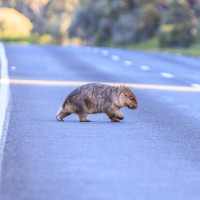
What can be done about wildlife vehicle collisions?
Wildlife vehicle collisions (or ‘wildlife roadstrikes’) are a serious problem that cause significant adverse animal welfare impacts, conservation concerns and human health and safety risks.
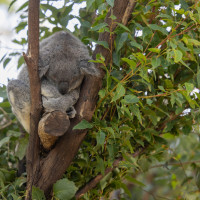
How can habitat loss affect animal welfare?
Habitat loss and fragmentation are significant threats to the welfare of individual animals, biodiversity and species survival. RSPCA Australia recognises the critical need to prevent these negative impacts and inform the public of the pressures on habitat due to continued land clearing and the consequences of climate change.
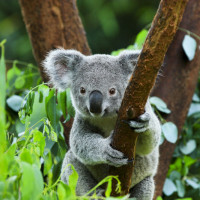
What are the options to improve wild koala welfare?
Koalas are an iconic Australian species, known to attract thousands of tourists every year. Koalas living in the wild suffer a range of negative impacts due primarily to habitat loss, climate change, vehicle collision, and dog attacks. Consequences include pain, injury, fear, stress, incapacitation, starvation, and death.
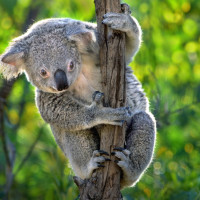
How do human activities impact koalas?
The koala (Phascolarctos cinereus) is an iconic Australian species primarily found in eucalypt forests along the eastern and southeastern coasts of Australia. Despite their uniqueness and popularity, koalas face numerous threats to their survival, primarily due to human activities.