
What are the animal welfare impacts of sheep dipping?
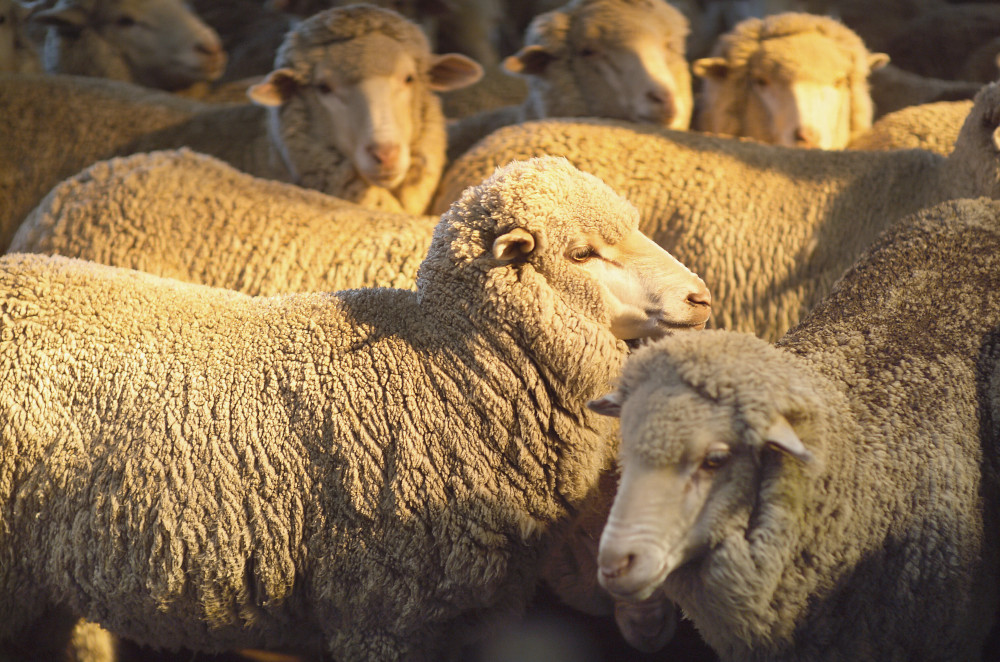
‘Sheep dipping’ describes submerging or spraying sheep with a medicated liquid to treat parasites on the sheep’s skin, particularly lice. Different dipping methods exist, including plunge, cage, and shower dipping, with plunge and cage dipping having the highest risk of poor sheep welfare as they require sheep to be fully submerged in medicated liquid. There is a risk of sheep injury or even death with some dipping practices. Alternatives to dipping are available, including options which can prevent and treat skin parasites while better supporting sheep welfare.
What is sheep dipping?
Sheep dipping is when sheep are dipped in or sprayed with liquid containing chemicals to kill parasites on their skin and wool. Infestations of lice can lead to clinical signs such as itching, inflamed and irritated skin, and damaged wool [1]. Skin parasites also cause economic losses for producers, as diseased sheep produce less wool, and can damage existing wool through itching [2].
Methods of sheep dipping
Plunge dipping
Plunge dipping is where sheep are persuaded or pushed into an in-ground or above-ground long, narrow tank that they then have to swim through. Sheep are typically required to enter the tank in single file, and they may crowd each other due to fear prior to dipping, or jump on top of one another in the tank, risking drowning or injuries.
Sheep must be fully submerged for treatment to be effective, so races are typically designed to either force the sheep to jump into the liquid, or they are pushed underwater by handlers once in the water to ensure immersion [3]. Plunge dipping methods are physically strenuous for sheep due to the swimming required [3]. Sheep do not naturally spend time in water or enjoy swimming, and sheep who have previously experienced plunge dipping often resist entering the tank again [4,5], indicating it is a negative experience for them.
Cage dipping
Cage dipping involves loading sheep in groups into a large, fully enclosed cage that is lowered slowly into the medicated solution to submerge the sheep, including their heads, for about 10 seconds before raising the cage [3]. As sheep do not know how long they will be submerged for, this method is likely to cause significant fear and distress due to the inability to breathe during submersion.
Because of the time-controlled lifting out of the chemical solution, the drowning risk for weak, pregnant, or injured sheep is considered lower than plunge dipping methods, and it is less physically taxing as sheep do not have to swim to avoid drowning [3]. However, the risk of inhalation and/or ingestion of the chemical liquid remains.
Shower dipping
In shower dipping, groups of sheep are sprayed with a high-pressure nozzle to apply the chemical treatment, sometimes with a top and bottom spray to maximise coverage. Spraying lasts for around 12 minutes to ensure full coverage and wetting of the sheep [6].
As the sheep aren’t submerged in liquid or separated from one another with this method, they may be less likely to feel fear or panic compared with plunge or cage dipping. However, shower dipping requires a prolonged time for treatment application compared to cage or plunge dipping [6]. Due to the prolonged spraying mode of application, there is a potential risk of chemical inhalation, but there is a lack of information available as to what effects this has on the sheep. Advice for human operators states that most dip chemicals are ‘moderately toxic’ and that operators should wear protective clothing, avoid splashes, and contact the Poisons Information Centre if the dip gets into eyes or is swallowed [6].
Risks to sheep associated with dipping
While lice negatively impact sheep welfare due to irritation and itching, the process of dipping sheep also presents welfare concerns. Risks with immersion dipping methods include inhalation of the liquid chemical, drowning, injury, infection through cuts exposed to the liquid, and sheep becoming chilled if dipped in low temperatures or windy weather [3]. If chemicals are not dosed or applied correctly, poisoning of the sheep or treatment failure are also risks [3].
Alternatives to sheep dipping
Prevention strategies for lice include quarantining of new sheep and physical separation from neighbouring farms through double fencing.
When it comes to treatment of existing lice infestations in sheep, there are more humane alternatives than dipping available. Orally administered treatments can be effective for sheep with any length of wool. Backliner treatment (pouring or spraying medicated liquid along the back of the sheep) or jetting (using a spray device to manually or automatically spray sheep with a chemical solution) are also available. The suitability and effectiveness of backlining and jetting depends on the chemical product and type of jetting device used, and the wool length of the sheep.
Sheep skin parasites pose a risk to sheep welfare as they cause significant irritation. Prevention strategies should be practised, while consistent monitoring and prompt treatment of confirmed cases of lice and other skin parasite infestations within a mob are important to support good sheep welfare.
When treatment is needed, the most humane and effective option available for treating lice should be chosen. Methods that pose the least risk to sheep welfare, such as oral medications, backlining or jetting treatments, should be used.
References
Plant JW (2006) Sheep ectoparasite control and animal welfare. Small Rumin Res 62:109–112
Lucas P, Horton B (2014) Guidelines for treatment of lice in sheep with long wool based on a model of the development of wool damage. Aus Vet J 92:8–14
Levot G (2022) LiceBoss - Plunge and Cage Dipping.
Joshua E (2011) Sheep plunge dip management. New South Wales Department of Primary Industries factsheet (PDF)
Bunyaga A, Corner-Thomas R, Draganova I, Kenyon P, Burkitt L (2023) The behaviour of sheep around a natural waterway and impact on water quality during winter in New Zealand. Animals 13:1461
Levot G (2024) LiceBoss - Shower Dipping for Sheep
Was this article helpful?

This work is licensed under a Creative Commons Attribution-NonCommercial-NoDerivatives 4.0 International License.