
Layer Hens
How could egg producers manage the change from battery cage systems to alternative systems?
Battery cages are completely barren – Hens in battery cages experience extreme confinement and behavioural restriction, without enough space to even stretch their wings.
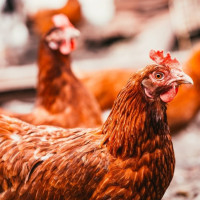
How much space does a layer hen need?
For layer hens to experience good animal welfare it is important they have enough space to move freely and express motivated and natural behaviours such as nesting during egg laying, perching, and roosting, foraging, and dust bathing.
How can free-range layer hens be encouraged to use the range area?
Hens’ use of the outdoor range area in free-range housing systems is dependent on multiple factors.
How can feather pecking be managed in cage-free layer hen systems?
Severe feather pecking is an injurious behaviour performed by birds, where they will vigorously peck at and pull out the feathers of other birds. Outbreaks of severe feather pecking can occur in all types of poultry production systems and in both large-scale commercial flocks and small backyard flocks.
Is the term ‘free range’ on a product label enough to guarantee good animal welfare? (the free-range egg example)
Consumer awareness of and demand for higher welfare food is growing and consumers need to be able to make an informed choice about the products they purchase. However, information on the conditions under which animals are farmed is often either lacking or provided through ambiguous labelling.
How can the risk of disease and parasites be managed in cage-free layer hen housing systems?
Cage-free systems for layer hens include free-range, barn, and aviary housing systems. Cage-free systems are beneficial for hen welfare because hens can move around freely, socialise with other hens, lay their eggs in nests, and have a greater opportunity to express behaviours, such as dust bathing and perching.
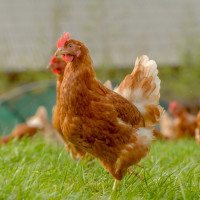
Why is it important for layer hens to express normal behaviours?
Layer hens will normally lay their eggs in an enclosed nest, perch, forage, and dust bathe. The ability to express these normal behaviours is important for layer hens to have good welfare.
What is beak trimming and why is it carried out?
Beak trimming is the practice of removing the tip of a bird’s beak to blunt or round its end. Beak trimming is commonly performed in the egg and turkey industries in Australia to mitigate the negative animal welfare and production impacts of severe feather pecking outbreak within a flock.
What is the RSPCA doing to get hens out of battery cages?
The RSPCA is strongly opposed to battery cages and believes there must now be a legislative phase-out of their use.
What is avian influenza (or ‘bird flu’) and what is its impact on animal welfare?
Avian influenza, commonly called bird flu, is a highly contagious viral disease that primarily affects birds but can also pose risks to other animals and humans. It is known to affect more than 140 bird species including chickens, turkeys, quail, guinea fowl, ducks, geese, emus and ostriches.