

Does extreme breeding affect animals beyond cats and dogs?
Animals have long been selectively bred for functional and performance related traits. However, in recent years there has been an increasing focus on appearance, with many companion and domestic species being bred to display exaggerated physical features.
While there is substantial evidence documenting the welfare and health impacts of extreme breeding in cats and dogs, similar concerns are emerging across a wider range of species. For example, exaggerated traits such as concave muzzles; dwarfism; altered ear shape and position; and long, dense, curly coats; taillessness; novel colour morphs, scalelessness, abnormal eye shape, enlarged soft tissue growths, exaggerated fin size, excessive feathering, shortened beaks, and altered body shape are becoming increasingly common. Although these features may appeal to human preferences, they are not normal or natural for the species and have been normalised despite the risk of harming animal health and welfare.
Beyond physical appearance, some breeding practices also alter an animal’s genetic make-up in ways that may compromise quality of life. For example, traits selectively bred into “fainting” goats can impair movement and behavioural responses. Across species, these deliberately selected characteristics can result in lifelong health and welfare challenges. Because these traits have been intentionally selected by humans, the resulting health and welfare problems are largely human created, highlighting our responsibility to address them.
The RSPCA is opposed to the selective breeding practices that produce or maintain physical characteristics or behaviours that are detrimental to the animal’s physical or mental wellbeing.
Examples of extreme breeding in species beyond cats and dogs
Please note: The examples in this section are intended to illustrate some of the physical traits that can arise through selective breeding and are not exhaustive. New traits may emerge over time, and the severity of existing traits may change across generations. Not all animals with these traits will be affected to the same extent, and the health and welfare impacts can vary between individual animals.
While there is strong evidence that some extreme traits can cause health and welfare problems, less is known about the impacts of others, particularly in lesser-studied species or newer breeds and varieties. This does not necessarily mean these traits are harmless. Some examples have therefore been included because they involve marked changes to an animal's normal physical form or function that may increase the risk of welfare problems.
Rabbits
Brachycephaly in rabbits
Brachycephaly refers to a shortened skull shape, where the nose or muzzle is flat and reduced in length. In rabbits, this head shape is commonly seen in miniature, dwarf, lop-ear breeds, as well as Lionhead rabbits [1,4].
Brachycephalic rabbits may experience the following health and welfare compromises:
- Ear infections: The shortened skull can result in abnormally narrow ear canals which trap ear wax and moisture preventing normal drainage and increasing the risk of infection [2,3].
- Dental issues: The shortened skull can cause jaw misalignment and tooth overcrowding, preventing normal tooth wear which can lead to incisor overgrowth, elongated roots and the development of painful molar spurs if not properly managed [1,4].
- Eye problems: More prominent, exposed eyes are also more prone to injury. Skull changes can lead to dental overcrowding, blocked tear ducts, and abnormal eyelid structure. These issues may result in tear overflow, discharge, and an increased risk of infections [1,4].
Brachycephalic rabbits often require additional care. This may include regular ear checks and cleaning to reduce wax build-up, as well as ongoing monitoring for signs of dental disease, such as changes in eating behaviour, reduced appetite, or drooling [2,4].
In addition to brachycephaly, there are other exaggerated traits frequently observed in rabbits. These include dwarfism (in all dwarf and miniature rabbit breeds) which is associated with changes to skull and jaw shape that may increase the risk of dental and eye disorders [4]; very long and dense coats which increase the risk of coat matting, skin problems, flystrike and gastrointestinal obstruction (e.g. Angora and Jersey Wooly rabbits) [6]; curly fur (e.g. Astrex rabbits), and large body size (e.g. Flemish Giant, British Giant, New Zealand White rabbits). Giant rabbits are predisposed to a range of health problems associated with their size, including sore hocks, arthritis, spondylosis and heart disease [5].
In rabbits, the rex mutation typically results in short, soft and plush-like coats due to changes in hair development and a reduction in protective guard hairs [7]. The reduced presence of protective guard fur may increase the risk of skin injuries, and conditions such as pododermatitis (sore hocks) [5].
Rabbits may also have variations in ear shape and length, including lop ears, where ears hang down instead of standing upright (e.g. Holland Lops, French Lop rabbits). Lop-eared rabbits have been shown to be at increased risk of ear disease, hearing impairment and associated welfare impacts compared with erect-eared rabbits [2,3].
Some rabbits may exhibit multiple exaggerated features. For example, Lionhead rabbits may combine brachycephaly, dwarfism, long dense coats and, in some cases, lop ears. The presence of multiple exaggerated traits may increase the likelihood of animals experiencing a range of health and welfare challenges throughout their lives [1-5].
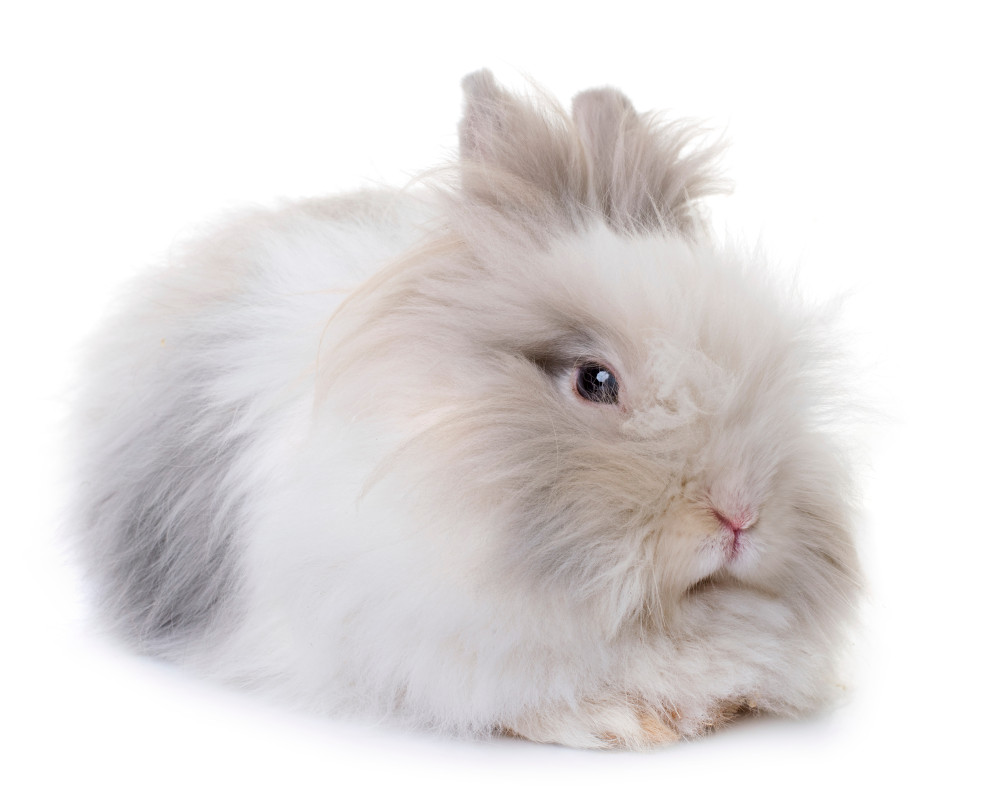
Lionhead rabbits may combine multiple exaggerated physical traits, including flat faces (brachycephaly), dwarfism and long, dense coats, which may be associated with a range of health and welfare concerns.
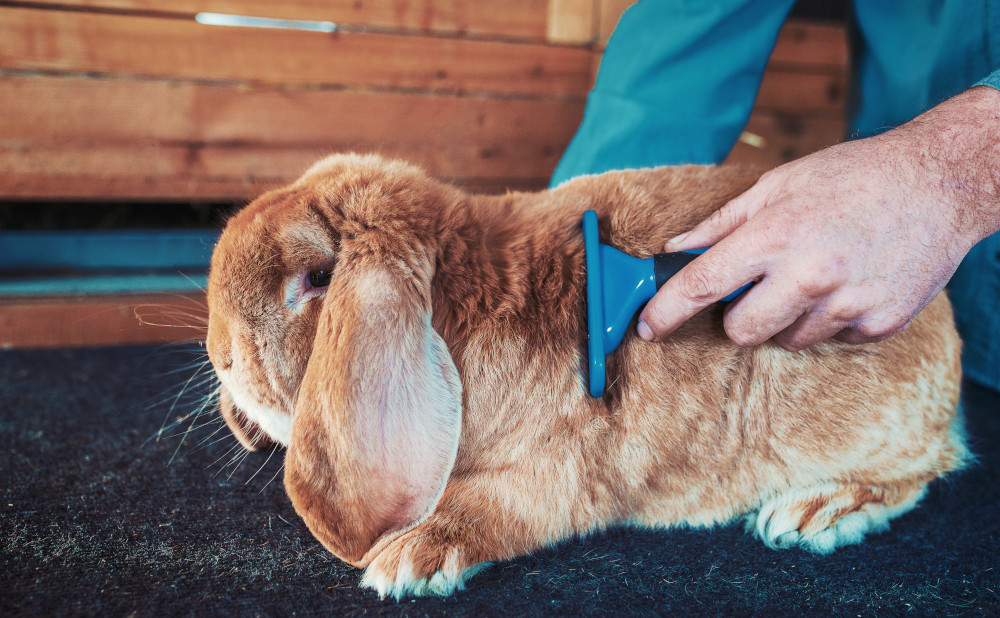
Lop-eared rabbits are at increased risk of ear disease, hearing impairment and associated welfare impacts compared with rabbits with upright ears.
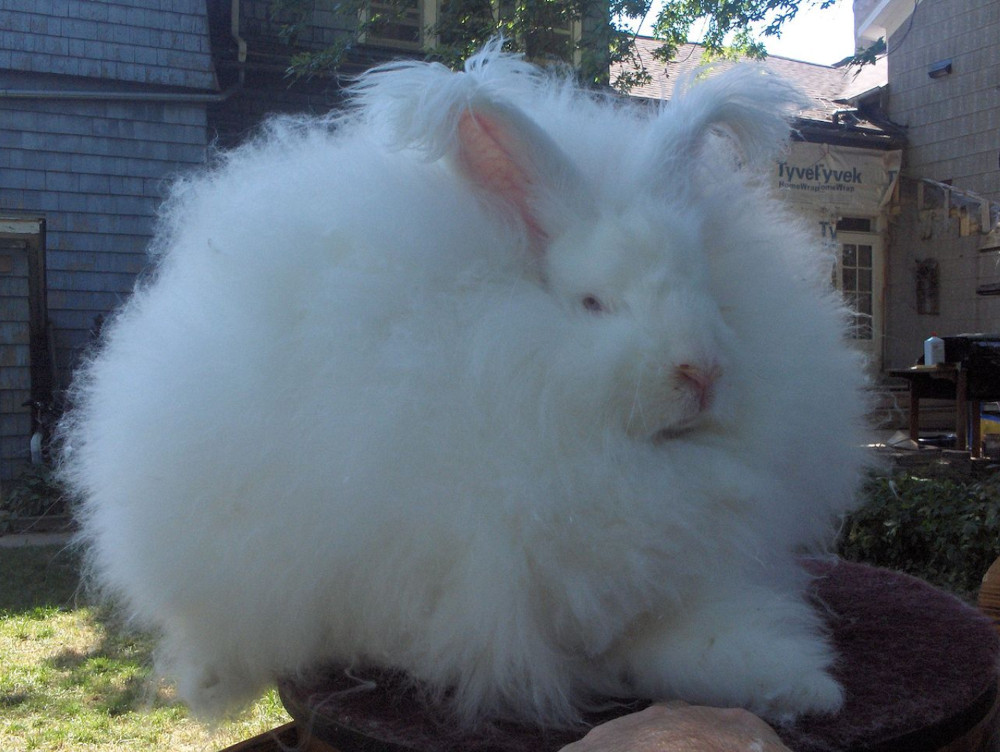
Angora rabbits have been selectively bred for their long wool coats. These coats require regular grooming and ongoing care to help prevent matting and maintain good welfare.
Rodents
Some rats and mice have been selectively bred to display exaggerated physical traits such as altered ear shape and position, changes to coat type, or absence of a tail.
Dumbo rodents
Dumbo rats and mice are characterised by large, rounded ears that are positioned lower on the sides of the head, along with changes in jaw structure [8].
Dumbo rodents may face the following health and welfare compromises:
- Dental issues: Changes to jaw structure may lead to misalignment of teeth (malocclusions), making it harder for affected rodents to chew food properly [8].
- Hearing and ear health issues: The lower ear position and altered ear anatomy may affect normal ear function and increase susceptibility to ear infections, which can affect hearing and balance.
- Social interactions: Reduced ear mobility and the altered position of the ears may limit the ability of dumbo rodents to communicate effectively using facial and ear cues, which can affect interactions with other animals
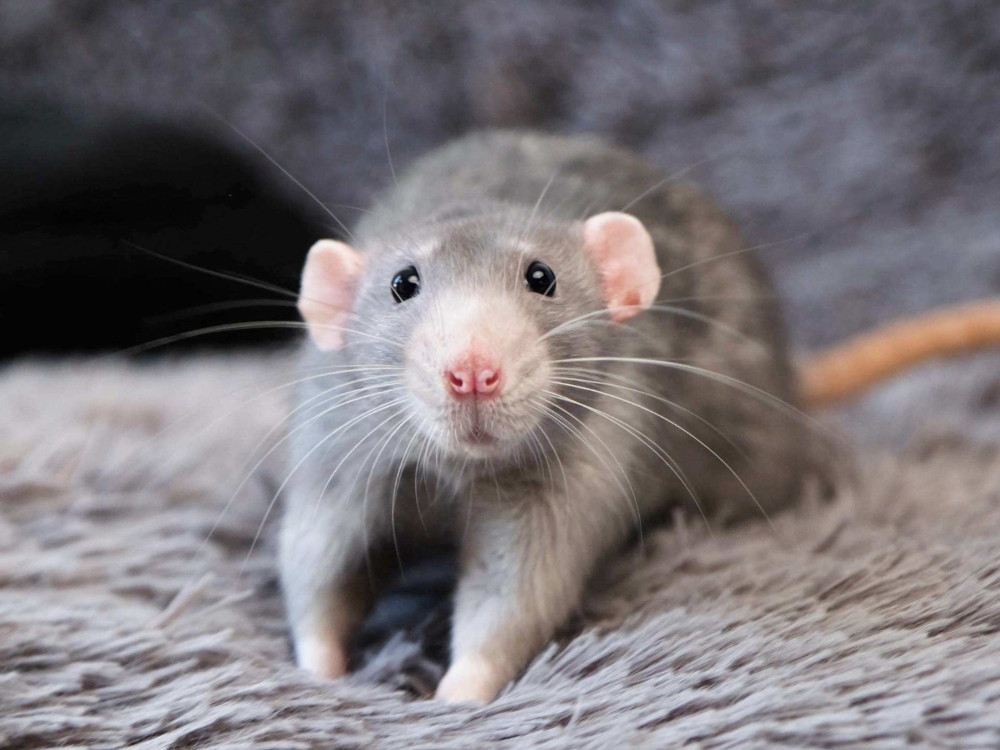
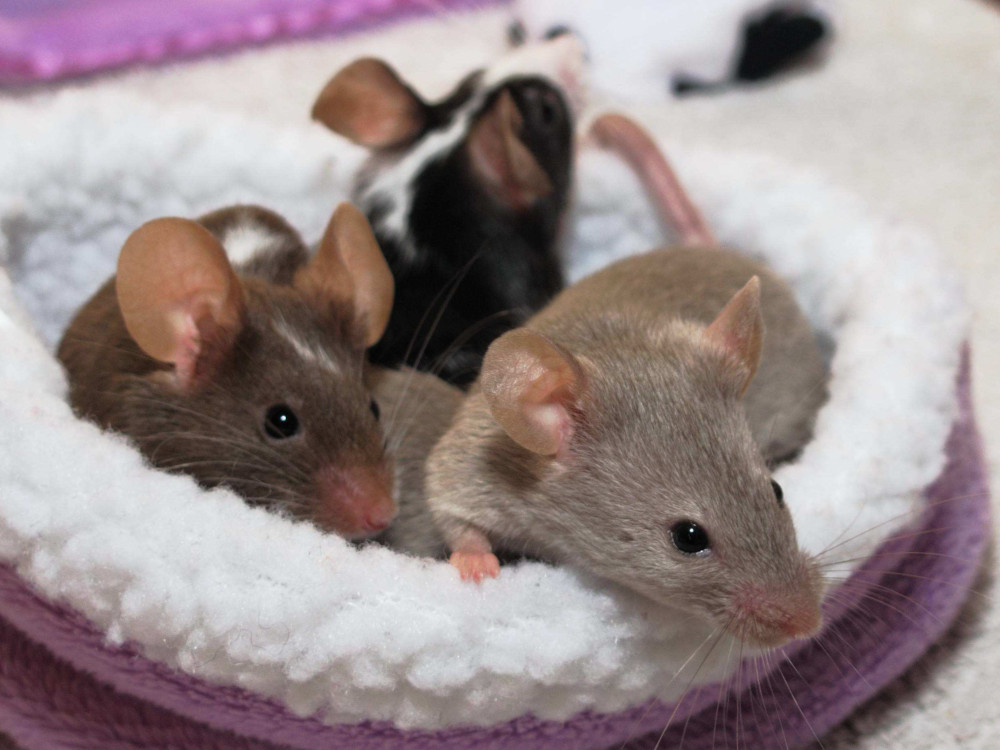
Dumbo rats and mice are selectively bred for their distinctive, elephant-like ears.
Rex (curly coated) rodents
Rex rats and mice have a dense, wavy, or curly coat caused by a genetic mutation that also affects their whiskers [9].
Rex rodents may face the following health and welfare compromises:
- Skin issues: Coat density and quality can vary, with some individuals having thin or patchy fur, which may increase the risk of dry or flaky skin, injuries, parasite infestations, and make body temperature regulation difficult.
- Eye problems: Some rex rodents may have difficulty fully closing their eyes due to eyelid abnormalities. Sparse coats, reduced eyelashes, and curly whiskers may increase susceptibility to eye irritation, dryness, and injuries.
- Sensory issues: Curly and fragile whiskers may reduce tactile sensitivity, which can affect how rodents navigate, explore and interact with their environment.
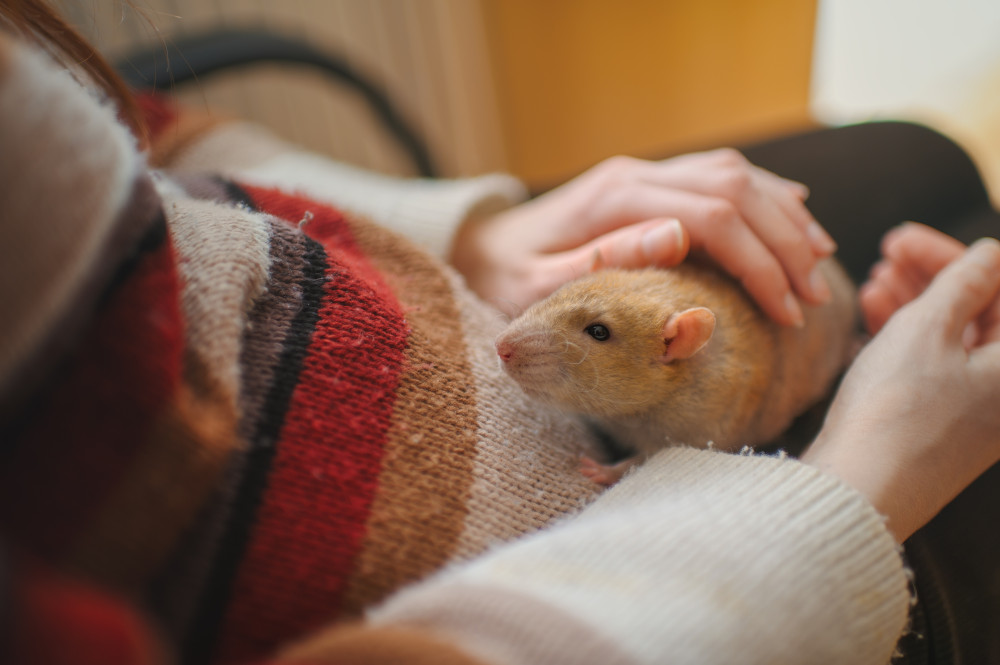
The curly coats and whiskers of rex rodents are caused by a genetic mutation that may also affect their health and welfare.
Similar health and welfare concerns apply to other species carrying the rex-mutation. For example, curly coats are also seen in a range of species, including cats (e.g. Devon Rex, Selkirk, Cornish Rex).
Tailless rodents
Tailless rodents, such as Manx rats or Manx mice, have been selectively bred to lack a tail or have a shortened tail.
Tailless rodents may face the following welfare and health compromises:
- Balance and mobility issues: Reduced tail length may affect balance and coordination, which can make climbing and other natural movements and behaviours more difficult [10].
- Thermoregulation issues: The absence or reduction of the tail may impair the ability to regulate body temperature effectively [11].
- Communication: The absence or reduction of the tail may impair the ability to express normal tail-based signals used in social interactions.
Similar welfare concerns have also been reported in Manx cats, where the genetic mutation associated with taillessness can cause spinal and spinal cord abnormalities that may lead to pain, impaired mobility, incontinence, and reduced ability to perform normal behaviours.
Horses
Arabian horses
Purebred Arabian horses are characterised by a dished face, or concave muzzle, associated with a shortened nasal length compared to other horse breeds with standard conformation [12].
Arabian horses may face the following health and welfare compromises:
- Respiratory difficulties: A shortened nasal structure resulting from a dished facial profile may restrict airflow and contribute to breathing difficulties, particularly during exercise. As horses rely solely on nasal breathing, this is a significant welfare concern. Arabian horses may also be at increased risk of developing upper respiratory disorders [12].
- Dental problems: A shortened skull leaves less room for teeth, leading to tooth overcrowding, abnormal wear, and painful dental conditions. These changes may also contribute to sinus inflammation and infections which can be difficult to treat.
- Inherited disorders: Arabian horses may be predisposed to inherited conditions, including severe combined immunodeficiency (SCID), which affects the immune system, and cerebellar abiotrophy (CA), which affects coordination and balance [13].
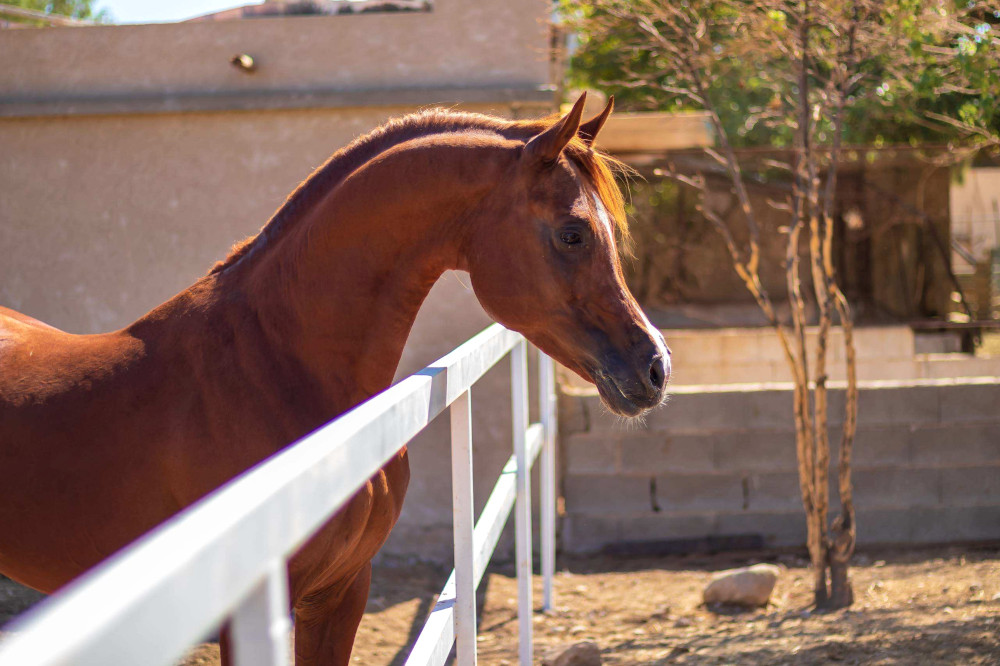
The characteristic dished facial profile of Arabian horses may be linked to a range of health and welfare concerns, including breathing and dental issues.
Dwarf equines
In equines such as Shetland ponies and Falabella horses, dwarfism may result in disproportionate growth, including shortened limbs, joint abnormalities, and altered jaw structure [14].
Dwarf equines may face the following health and welfare compromises:
- Dental problems: Altered jaw structure and reduced mouth size may limit space for the teeth, leading to overcrowding, misalignment, and difficulty chewing. This may result in oral pain, reduced food intake, and poor body condition. Dental procedures may also be more challenging due to restricted access [14].
- Musculoskeletal problems: Dwarfism may result in abnormal development of bones, cartilage and joints leading to disproportionate limb length, reduced range of motion, and impaired mobility. Affected equines may experience chronic pain and joint dysfunction. [14].
- Reproductive problems: Mares of very small stature may be at increased risk of difficult birth due to the relative size of the foal, which can pose serious risks to both mare and foal.
Additional care needs of dwarf equines may include regular veterinary dental examinations to manage dental abnormalities, as well as proactive hoof trimming.
Dwarfism is also observed in other companion and farm animals, including rabbits (e.g. Mini Lop rabbits), cats (e.g. Munchkin cats), dogs (e.g. Corgis), goats (e.g. pygmy goats), and pigs (e.g. Vietnamese pot-bellied pigs). While the specific impacts vary between species, dwarfism may be associated with a range of health and welfare concerns, including musculoskeletal, dental and reproductive problems.
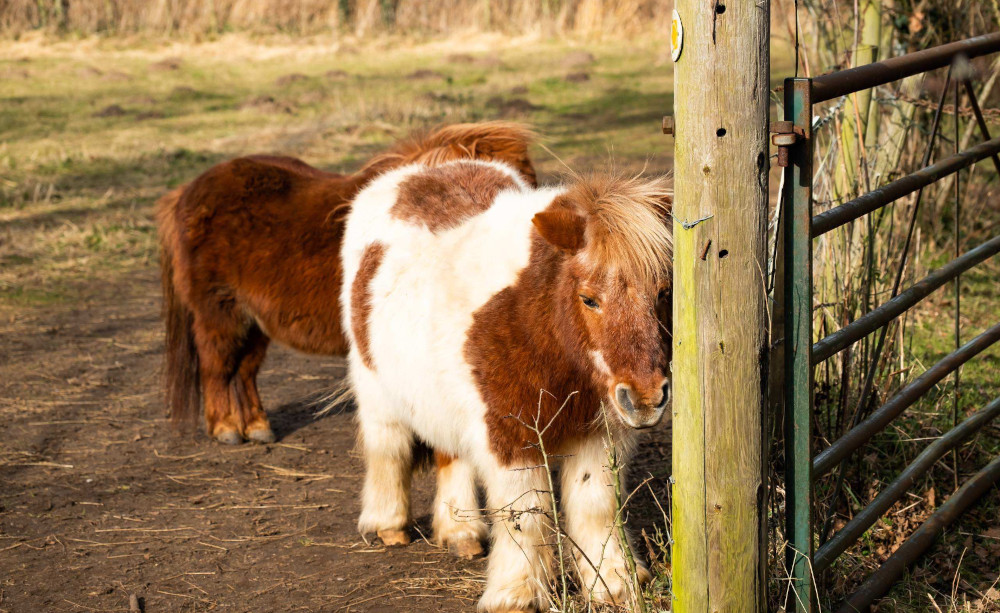
Dwarf equines may experience lifelong health and welfare challenges associated with disproportionate growth and abnormal skeletal development, as well as dental and reproductive problems.
Goats
Fainting goats
Also known as myotonic goats, fainting goats have a genetic mutation that causes their muscles to stiffen temporarily when they are startled or excited. This results in a brief loss of movement, causing affected goats to topple over or “faint”. Unlike “playing dead” in other species, which is a conscious response to avoid predation, the muscle stiffening seen in fainting goats is involuntary [15].
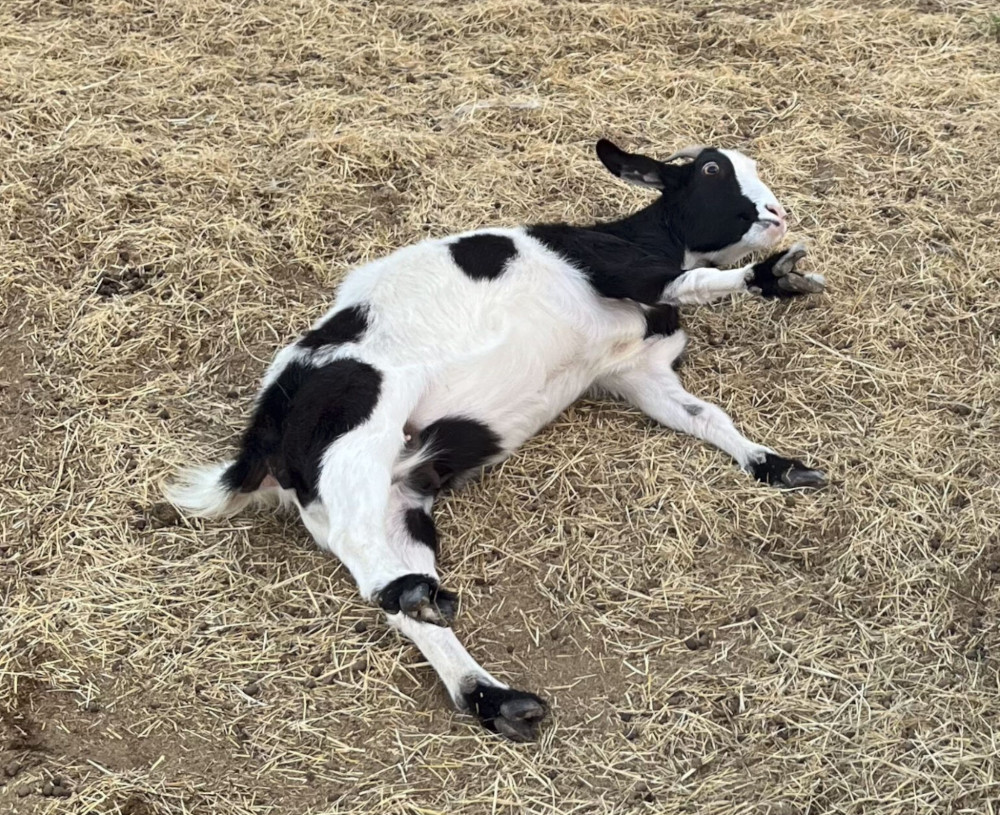
Source: LIFE & LAND
Myotonic goats have a genetic mutation that causes temporary muscle stiffness when startled or excited, which can affect their mobility leading to falls when they are excited or startled.
Fainting goats may face the following health and welfare compromises:
- Risk of injury: Episodes of muscle stiffening may cause goats to lose balance and fall suddenly, increasing the risk of injuries such as bruising or trauma, particularly in unsafe environments (e.g. uneven ground or elevated areas) [15].
- Stress and behavioural impacts: Fainting episodes may cause frustration, stress, and anxiety as the goats lose the ability to move during a frightening or exciting event. These episodes may also affect interactions with other animals sharing their environment.
- Increased risk of predation: The temporary loss of movement during episodes of muscle stiffness may reduce the ability of affected goats to respond to threats or escape predators [15].
Fainting goats require additional management to help maintain a safe environment, including minimising hazards such as sharp objects, uneven ground, and elevated areas. Because the fainting episodes can be triggered by sudden stimuli and result in temporary loss movement, providing a secure and stable environment is important to reduce the risk of injury and support welfare [15]. However, while some environmental adaptations, such as avoiding elevated areas may reduce this risk, they can also restrict opportunities for climbing which is a natural behaviour that goats are highly motivated to perform.
In addition to the species described above, welfare impacts of selective breeding are also seen in reptiles, fish and birds [16].
Reptiles
Some reptiles are selectively bred for specific physical characteristics such as unique morph colours or lack of scales.
Colour morph reptiles
Certain reptile colour morphs have been linked to inherited health conditions, including neurological disorders and metabolic abnormalities, and some morphs have also been associated with an increased risk of certain types of cancer (e.g. some Ball Python morphs) [17].
Colour morph reptiles may face the following health and welfare compromises:
- Neurological issues: Some colour morphs are associated with neurological abnormalities that can affect movement, coordination, feeding behaviour, and overall quality of life.
- Inherited health disorders: Certain morphs may be predisposed to a range of health conditions including metabolic abnormalities, and in some cases, cancers.
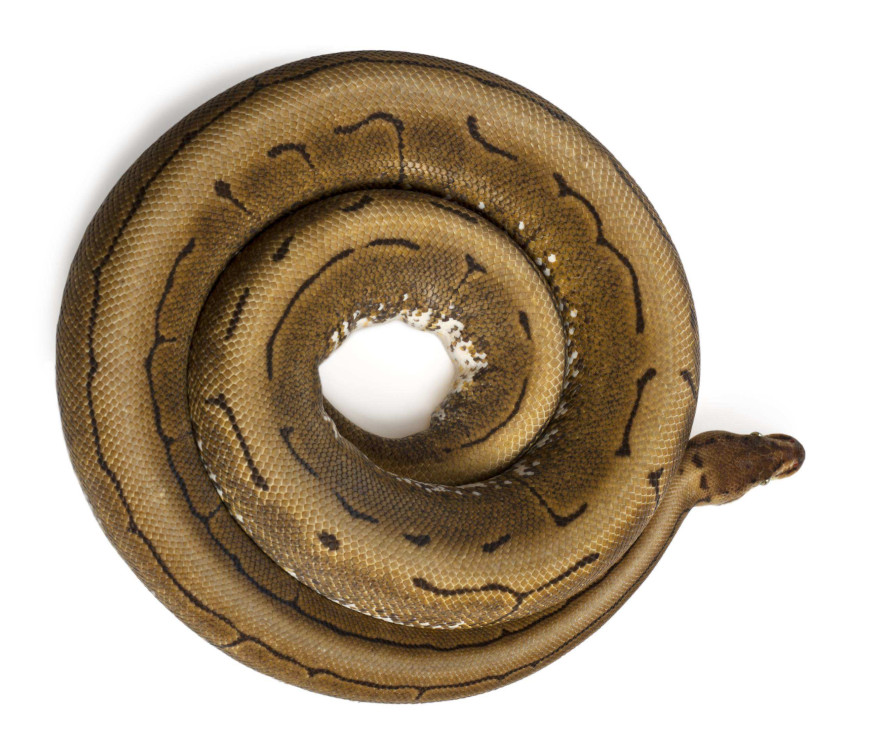
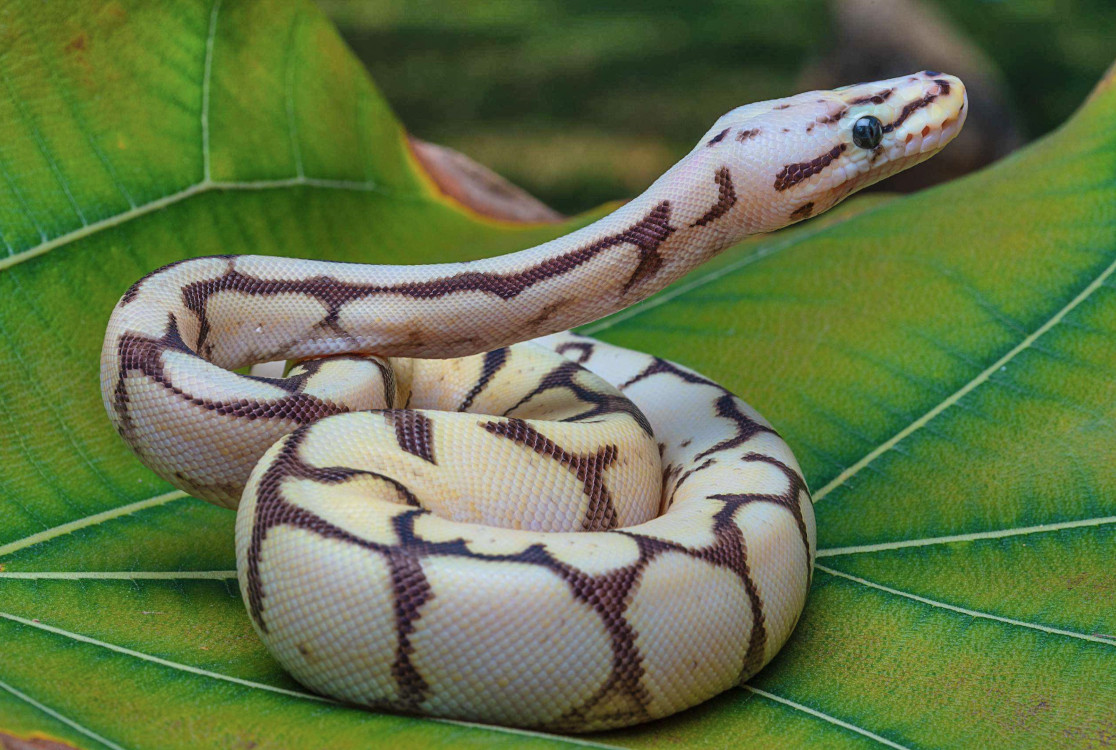
Snakes, including Ball Pythons, are selectively bred to display distinctive morphs such as Spider and Spinner, which are associated with inherited neurological disorders that may affect movement, coordination and overall quality of life.
Scaleless reptiles
Scaleless reptiles such as Silkback (scaleless) Bearded Dragons and Silkback (scaleless) Corn Snakes are bred without the protective scales normally present in reptiles [18].
Scaleless reptiles may face the following health and welfare compromises:
- Skin and shedding issues: The absence of scales may impair normal shedding and increase susceptibility to skin injuries, irritation, and infections.
- Moisture regulation issues: Scaleless reptiles may lose moisture more easily, increasing the risk of dehydration.
- Environmental sensitivity: Increased sensitivity to environmental conditions may increase the risk of injury and require specialised husbandry to maintain good welfare.
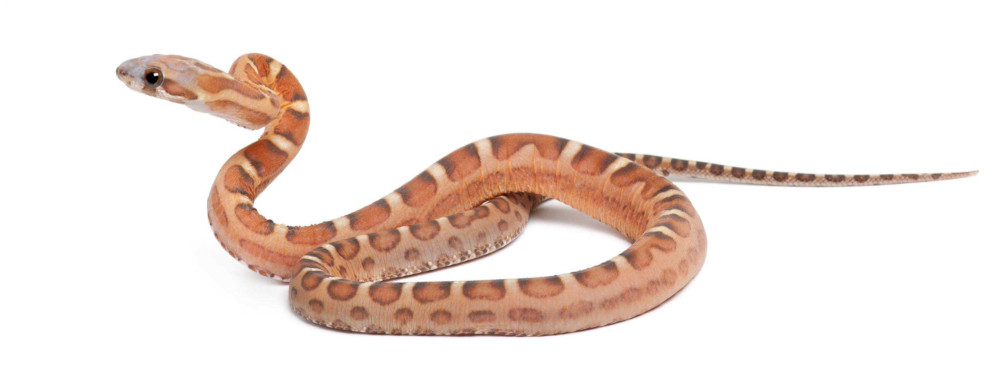
Scaleless reptiles, including scaleless corn snakes, are selectively bred without the protective scales typically found in reptiles, which may increase the risk of skin injuries, shedding problems and other welfare concerns.
Fish
Some fish including many ornamental varieties are selectively bred for exaggerated features including abnormal eye shape, enlarged head growths, altered body shape, and excessive fin development.
Fish with exaggerated eye-related abnormalities
Some fish, including Bubble-Eye, Celestial Eye (Stargazer), and Telescope Eye (Dragon Eye) goldfish, are selectively bred with exaggerated eye features including fluid-filled sacs, permanently upward-facing eyes, or protruding eyeballs [19, 20].
These fish may face the following health and welfare compromises:
- Vision problems: Exaggerated eye features may impair vision and make it more difficult for affected fish to locate food and navigate their environment.
- Injury risk: Prominent eyes and fluid-filled sacs are highly vulnerable to injury and infection.
- Behavioural restrictions: Impaired vision and increased injury risk may limit the ability to interact normally with other fish or navigate complex environments.
Fish with exaggerated head growths and soft tissue abnormalities
Some fish, such as Lionhead, Lionchu, and Ranchu, are bred with enlarged fleshy head growths and other abnormal soft tissue developments [21, 22].
These fish may face the following health and welfare compromises:
- Vision and breathing problems: Large tissue growths may obstruct the eyes or gills, resulting in impaired vision and breathing.
- Increased infection risk: Excess skin folds and tissue may increase susceptibility to irritation and infection.
Fish with exaggerated fins and other abnormal body conformations
Some fish, including Veiltail, Rosetail, Halfmoon Bettas and Tosakin goldfish, are selectively bred for exaggerated fin or body characteristics [22, 23].
These fish may face the following health and welfare compromises:
- Swimming difficulties: Large, heavy fins and abnormal body shapes may impair swimming ability and reduce mobility.
- Fatigue and injury risk: Excessive fin size may increase susceptibility to fin damage, injury, and contribute to exhaustion.
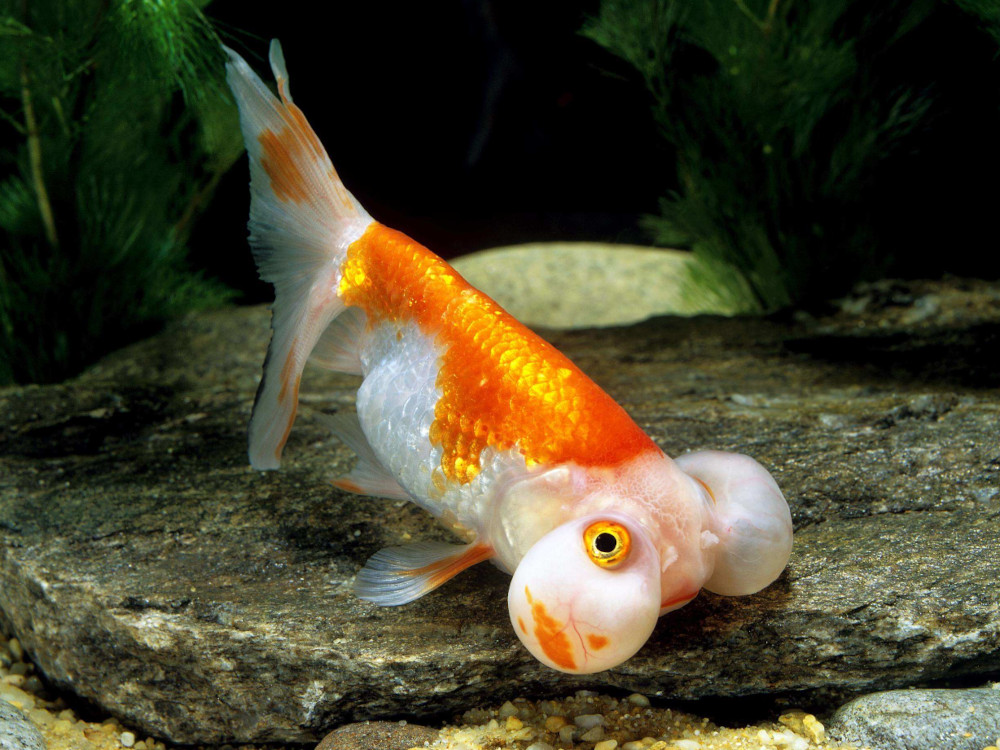
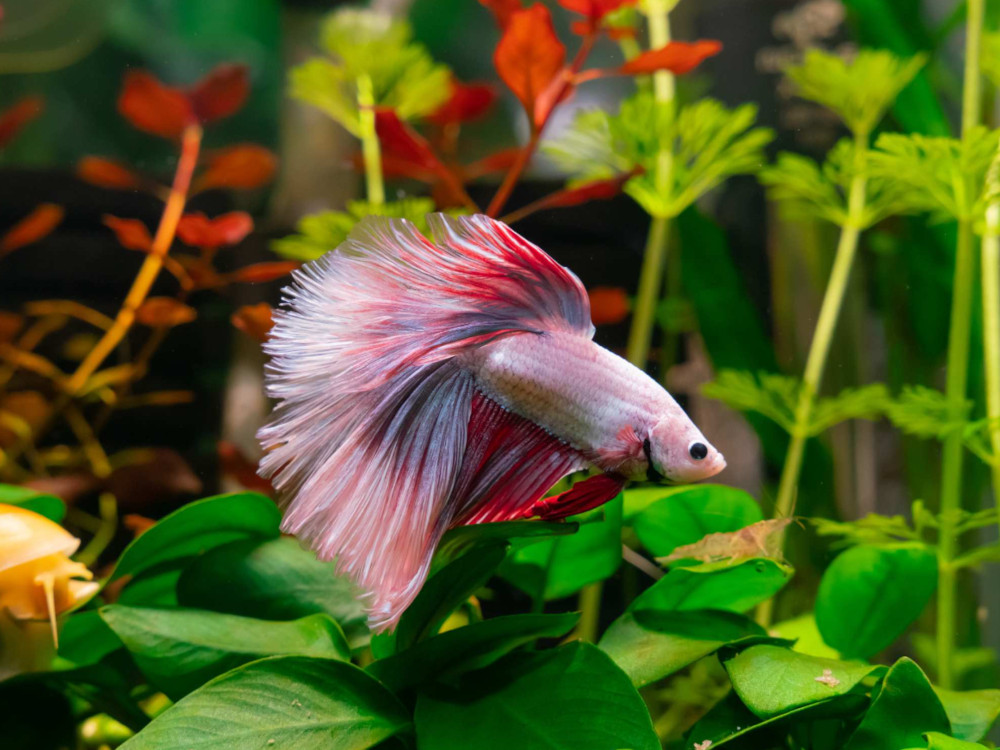
Exaggerated traits in some ornamental fish may impair their ability to see, breathe and swim.
Birds
Some birds are selectively bred for exaggerated traits including shortened beaks, altered body shape and posture, enlarged crops, and excessive feathering.
Birds with exaggerated beak and body features
Birds, such as Oriental Frill pigeons and English Pouters, are bred for exaggerated physical characteristics including shortened beaks, enlarged crops, elongated bodies, and altered posture [24].
These birds often face the following health and welfare compromises:
- Feeding difficulties: Shortened beaks and altered head structure may impair normal feeding behaviour and make it more difficult for affected birds to feed themselves or their young effectively.
- Vision and balance issues: Exaggerated body shape and posture may affect balance, coordination, and vision.
- Respiratory issues: Enlarged crops and altered body structure may impair normal respiratory function.
Birds with exaggerated feathering
Some birds, such as Jacobin pigeons, Fantail pigeons, Frillback pigeons, and certain crested canary breeds are selectively bred for excessive feathering or exaggerated feather structures [25].
These birds often face the following health and welfare compromises:
- Restricted vision: Excessive feathering may obstruct vision and interfere with normal behaviour.
- Reduced mobility: Exaggerated feathering and altered body posture may interfere with normal movement, including the ability to fly.
- Increased feather maintenance requirements: Excessive or abnormal feather development may increase the risk of feather damage and create additional husbandry challenges.
- Increased risk of injury: Reduced mobility and impaired vision may increase the risk of injury, make it more difficult for affected birds to navigate their environment, and increase their vulnerability to predators.
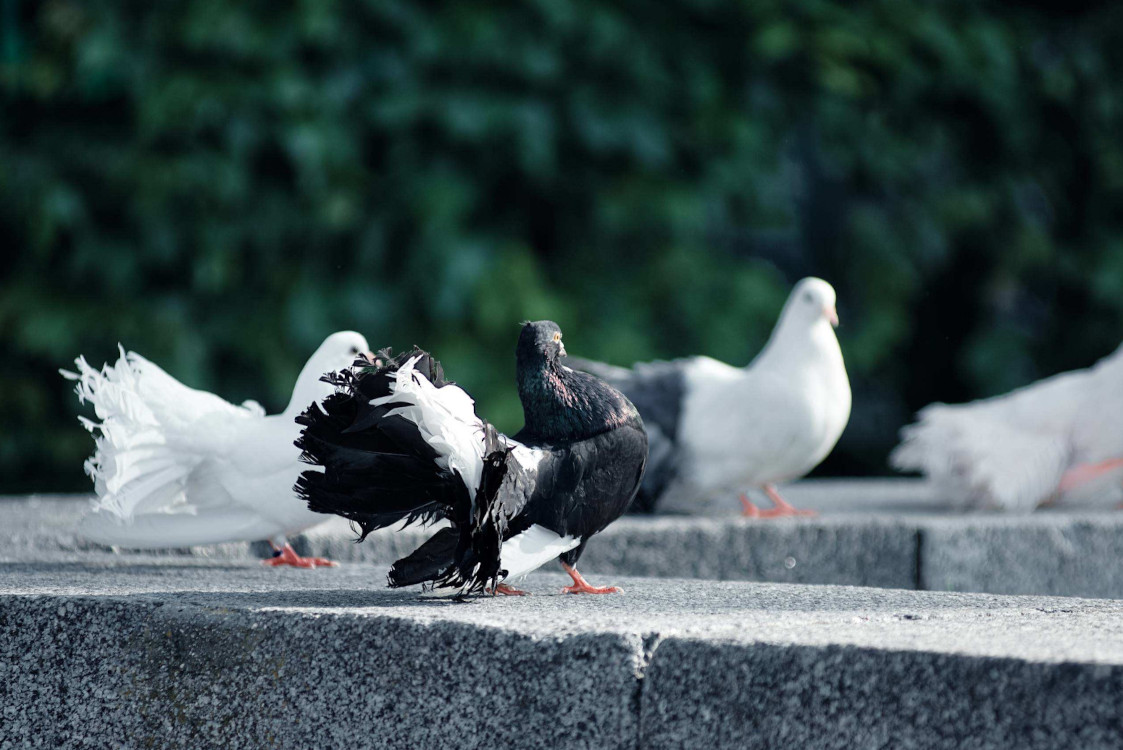
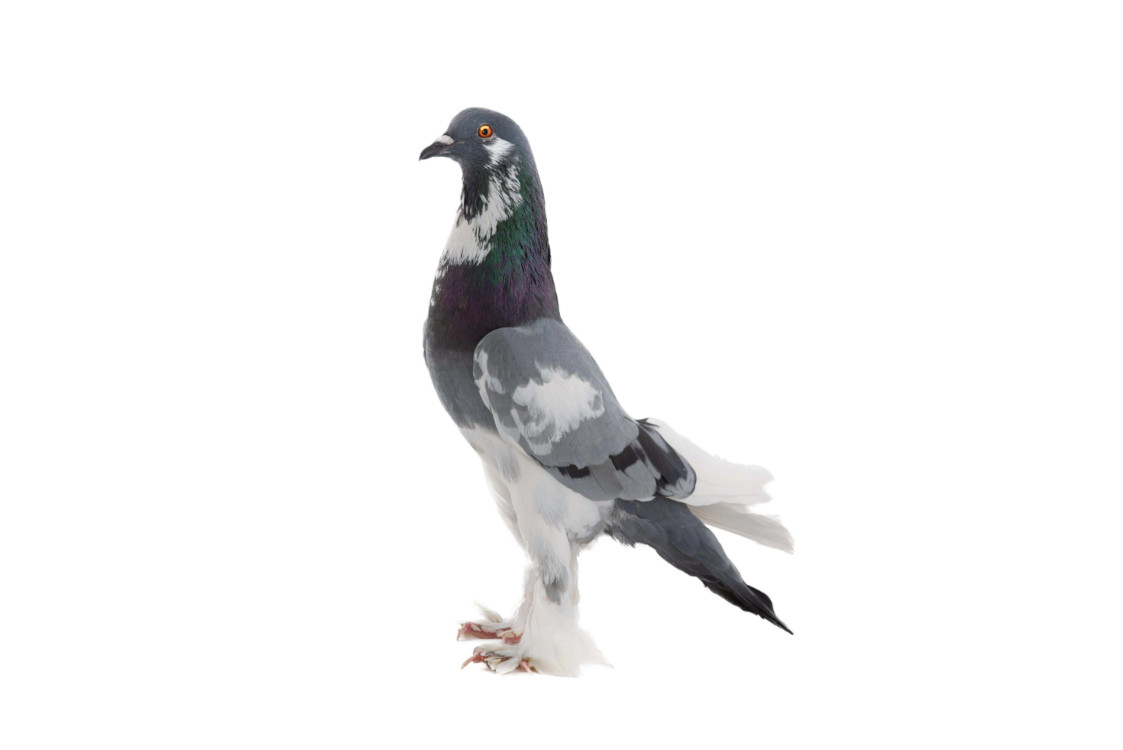
Selective breeding for exaggerated beaks, feathering and body shape can affect pigeons' ability to feed, move and behave normally.
No animal should suffer because of the way they look. Many of the traits discussed in this article have been intentionally selected by humans, making the resulting health and welfare problems largely preventable. While the specific impacts vary between species, breeding for exaggerated physical characteristics can compromise an animal's ability to move, breathe, behave normally, and enjoy a good quality of life. By making informed choices and supporting responsible breeding practices that prioritise health, function, and welfare over appearance, we can help protect animals from avoidable suffering [16].
References
O’Neill DG, Williams A, Brodbelt DC, Church DB, Hedley J (2024) Conformation-associated health in pet rabbits in the UK: A VetCompass cohort study. Veterinary Record.
Johnson JC, Burn CC (2019) Lop-eared rabbits have more aural and dental problems than erect-eared rabbits: A rescue shelter study. Veterinary Record 185(24):758.
Chivers BD, Keeler MRD, Burn CC (2023) Ear health and quality of life in pet rabbits of differing ear conformations: A UK survey of owner-reported signalment risk factors and effects on rabbit welfare and behaviour. PLOS ONE 18(7):e0285372.
Palma-Medel T, Marcone D, Alegría-Morán R (2023) Dental disease in rabbits (Oryctolagus cuniculus) and its risk factors: A private practice study in the Metropolitan Region of Chile. Animals 13(4):676.
Vennen KM, Mitchell MA (2009) Rabbits. In: Quesenberry KE, Carpenter JW (eds) Manual of Exotic Pet Practice. Saunders, pp.375-405.
Universities Federation for Animal Welfare (2011) Genetic welfare problems of companion animals. Long hair (Angora rabbit).
Diribarne M, Mata X, Chantry-Darmon C, Vaiman A, Auvinet G, et al (2011) A deletion in exon 9 of the LIPH gene is responsible for the Rex hair coat phenotype in rabbits (Oryctolagus cuniculus). PLOS ONE 6(4):e19281.
Katerji S, Vanmuylder N, Svoboda M, Rooze M, Louryan S (2009) Expression of Msx1 and Dlx1 during Dumbo rat head development: Correlation with morphological features. Genetics and Molecular Biology 32(2):399-
Robinson R (1981) Rex mutant in the Norway rat. Journal of Heredity 72(2):131-132.
Lacava SA, Isilak N, Uusisaari MY (2024) The role of mouse tails in response to external and self-generated balance perturbations on the roll plane. Journal of Experimental Biology 227(21):jeb247552.
Fregley MJ, Rowland N, Cade JR (1994) The tail of the rat in temperature regulation: Effect on angiotensin II. In: Milton AS (ed) Temperature Regulation. Advances in Pharmacological Sciences.
Pompermayer E, Hoey S, Ryan J, David F, Johnson JP (2023) Straight Egyptian Arabian skull morphology presents unique surgical challenges compared to the Thoroughbred: A computed tomography morphometric anatomical study. American Journal of Veterinary Research 84(5).
Tarr CJ, Thompson PN, Guthrie AJ, Harper CK (2014) The carrier prevalence of severe combined immunodeficiency, lavender foal syndrome and cerebellar abiotrophy in Arabian horses in South Africa. Equine Veterinary Journal 46(4):512-514.
Eberth J, Swerczak T, Bailey E (2009) Investigation of dwarfism among miniature horses using the Illumina Horse SNP50 Bead Chip. Journal of Equine Veterinary Science 29(5):315.
Smith GW (2024) Genetic myopathies in ruminants and pigs. MSD Veterinary Manual.
Bennett L (2026) "It's not normal, it's just been normalised" – addressing the impact of extreme breeding. Veterinary Record 198(S1):8-9.
Rose MP, Williams DL (2014) Neurological dysfunction in a ball python (Python regius) colour morph and implications for welfare. Journal of Exotic Pet Medicine 23(3):234-239.
Sakich NB, Tattersall GJ (2021) Bearded dragons (Pogona vitticeps) with reduced scalation lose water faster but do not have substantially different thermal preferences. Journal of Experimental Biology 224(12):jeb234427.
Universities Federation for Animal Welfare (2011) Bubble eye goldfish. Science for Animal Welfare.
Universities Federation for Animal Welfare (2011) Celestial eye goldfish. Science for Animal Welfare.
Universities Federation for Animal Welfare (2011) Lionchu goldfish. Science for Animal Welfare.
Universities Federation for Animal Welfare (2011) Ranchu goldfish. Science for Animal Welfare.
Universities Federation for Animal Welfare (2011) Tosakin goldfish. Science for Animal Welfare.
Adamčík M, Zigo F, Kolenič P, Ondrašovičová S (2021) Exterior evaluation of selected breeds of pigeons: Owls and Frills. Folia Veterinaria 65(2):27-35.
Universities Federation for Animal Welfare (2011) Abnormal feathers in pigeons. Science for Animal Welfare.
Was this article helpful?

This work is licensed under a Creative Commons Attribution-NonCommercial-NoDerivatives 4.0 International License.