
• RSPCA Website
RSPCA Knowledgebase RSPCA Knowledgebase
  • Home
  • Categories
    Categories
    Companion Animals Farmed Animals Wild Animals Sport, Entertainment and Work Animals in Research and Teaching Legislation About Animal Welfare RSPCA Policy
  • Downloads
    Downloads
    Information Papers Position Papers Submissions
  1. Home
  2. Categories
  3. Companion Animals
  4. Cats
  5. Behaviour

Behaviour

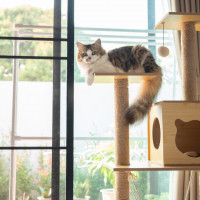
How can I train my pet cat, rodent or rabbit at home?

We often associate training with larger companion animals such as dogs and horses, but cats, rabbits, and rodents such as mice are also very capable of learning. There are many benefits to training these pets using appropriate reward-based training methods.
  • Tagged
  • Animal behaviour
  • Animal welfare policies
  • Pet care
  • Pet owner basics
  • Small companion animals
cat resting climbing pole

Why are protective behaviours in cats important?

Protective behaviours are not “bad” behaviours Hissing, growling, hiding, or moving away are normal behaviours that help cats communicate discomfort and avoid conflict. These behaviours help cats prevent situations from escalating to physical aggression.

  • Tagged
  • Animal behaviour
  • Animal welfare policies
  • Pet care
  • Pet owner basics
tabby chair

How can pain be recognised and monitored in cats?

Due to the unique nature of and often subtle changes in feline body language, recognising pain in cats can be a challenge for their owners.

  • Tagged
  • Animal behaviour
  • Behavioural needs
  • Contained cats
  • Pet care
  • Previous
  • 1
  • 2
  • Next

Popular Tags

© 2026 RSPCA Australia. All rights reserved.
Home Categories Downloads
Privacy Policy Terms & Conditions
Error
Message