
Articles tagged with 'Horse care'
How do I find out what plants are poisonous to livestock or horses?
General information for livestock The University of Illinois Veterinary Medicine Library has a good database of plants toxic to animals (including photos and detailed description of the effects of the plants on animals).
What is laminitis, and how can it be prevented or treated?
Laminitis (also termed founder) is inflammation of the laminae of the foot – the soft tissue structures that attach the coffin or pedal bone of the foot to the hoof wall.
Why is it important to vaccinate my horse against Hendra virus?
There are three important reasons to vaccinate your horse against Hendra virus. First, vaccination reduces the risk of your horse contracting Hendra virus (HeV), a serious and life-threatening disease. Unvaccinated horses with the disease either suffer a debilitating and distressing death or if diagnosed, are euthanased.
How do I know if my horse’s gear fits properly?
The correct selection and fitting of gear is very important if you want your horse to be relaxed and to be able to work for you without being uncomfortable or in pain.
How do I keep my horse healthy?
To answer this question we first need to know how a healthy horse looks and behaves. What are the signs of a healthy horse?
What is a restrictive noseband and how does it harm horses?
Restrictive nosebands, which are increasingly popular in the equestrian disciplines of dressage, are designed to prevent horses from opening their mouths during competition. Sometimes designs, such as the ‘crank’ nosebands, have a pulley mechanism that allows them to be fastened very easily.
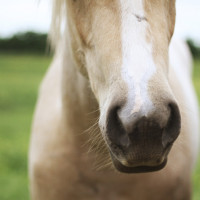
When does my horse need to see the dentist?
A vet or qualified equine dentist should be called in regularly to thoroughly examine and carry out any necessary work on your horse’s teeth. Horses aged 2-5 years should have their teeth checked prior to commencing work or at six monthly intervals.
What are the welfare concerns associated with the use of bits and tie-downs in riding horses?
Bits and tie-downs are types of equipment used on riding horses in Australia and internationally. The main welfare concerns associated with the use of bits and tie-downs is that they have the capacity to cause pain and discomfort to horses, and to restrict normal horse movement and function.
Do I need to provide shade and shelter for my horse?
A domestic horse needs access to shade and shelter. A free living (wild or feral horse) can seek these out when necessary but a domestic horse can only make the best of what is provided for them. So it is important that you provide these facilities for your horse/s.
What weight should my horse be?
A healthy horse should not be fat or too thin. Until you gain experience it can sometimes be hard to tell however once you learn what to look out for it gets much easier.