

What is mastitis in dairy cows?
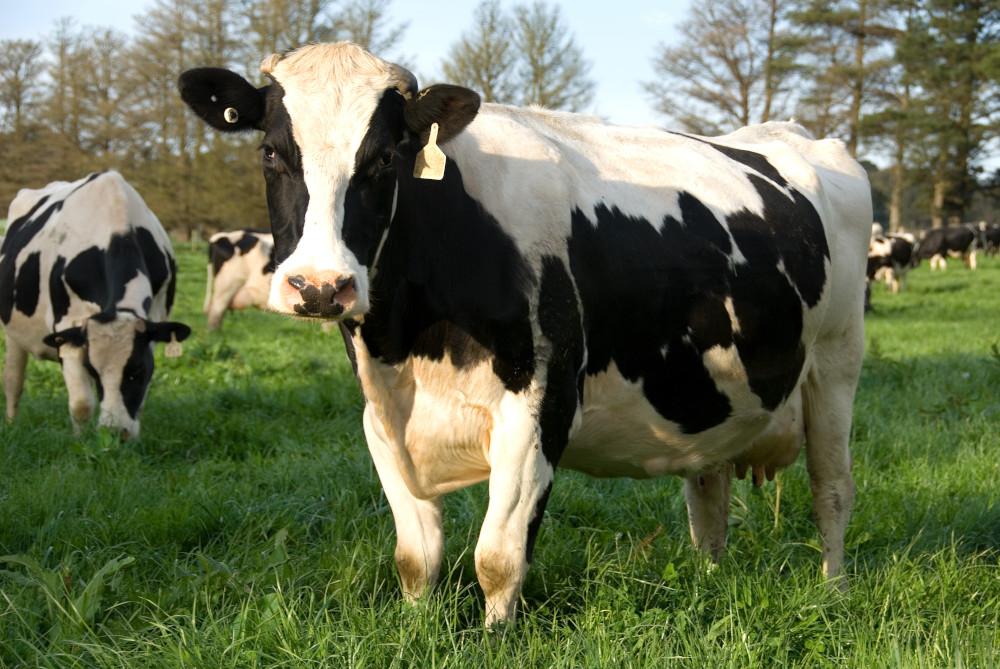
Mastitis is inflammation of the udder, most commonly caused by bacterial infection. Mastitis is a painful condition, and it is one of the most common health and welfare issues affecting dairy cows. Factors that affect the likelihood of mastitis occurring include milking hygiene, farm and environmental conditions, the shape of the udder and teats, cow age, and procedures and practices at milking.
Mastitis ranges in severity from hidden illness with no clinical signs (subclinical), to mild or severe visibly apparent disease (clinical mastitis). Clinical mastitis is a serious animal welfare issue as the swelling and inflammation of the udder that comes with the disease is very painful. Affected cows may show clear signs of discomfort, including abnormal posture (hunched), increased sensitivity of the udder and teats to touch, rapid breathing and heart rate, and a high temperature.
Unfortunately, mastitis is not always easy to detect in its early stages, particularly when the redness and swelling of the udder is not obvious. Routine and suspicion-based testing of individual or grouped milk is used to detect mastitis early [1]. Prevention of mastitis through good management is preferable to widespread treatments. For cows who contract clinical mastitis, treatment with anti-inflammatory medications reduces pain and inflammation, and some cows will also need treatment with appropriately selected antimicrobials [2,3]. If left untreated, severe clinical mastitis can cause the death of the cow in some cases. Mastitis is also a major problem economically for dairy farmers because it reduces both the quality and amount of milk produced.
Good dairy management, including a clean environment, excellent milking hygiene, well-trained farm staff, and sound milking and testing protocols will reduce the risk of mastitis and ensure that, when it does occur, it is detected early and treated promptly. The Australian dairy industry has implemented initiatives to help prevent, detect and treat mastitis in the dairy herd, such as the Countdown udder health information resources, and the Milking and Mastitis Management training program for milking personnel. Cows with high milk production tend to be at greater risk of mastitis [4], so selectively breeding for increased milk production is not recommended without also prioritising other health and welfare traits.
Relevant podcast
References
Ruegg P (2017) A 100-Year Review: Mastitis detection, management, and prevention. J Dairy Sci 100(12):10381-10397
Rowe S, House JK, Pooley H, Bullen S, Humphris M, Ingenhoff L, Norris JM, Zadoks RN (2024) Evaluation of point-of-care tests for identification of pathogens to inform clinical mastitis treatment decisions in pasture- and confinement-managed dairy cows in Australia. J Dairy Sci 107(10):8271-8285
Petersson-Wolfe CS, Leslie KE, Swartz TH (2018) An update on the effect of clinical mastitis on the welfare of dairy cows and potential therapies. Vet Clinics Nth Amer: Food Anim Pract 34(3):525-535
Jamali H, Barkema HW, Jacques M, Lavallée-Bourget E-M, François Malouin, Saini V, Stryhn H, Dufour S (2018) Invited review: Incidence, risk factors, and effects of clinical mastitis recurrence in dairy cows. J Dairy Sci 101(6):4729-4746
Was this article helpful?

This work is licensed under a Creative Commons Attribution-NonCommercial-NoDerivatives 4.0 International License.