

Reptiles
How often should I worm my reptiles?
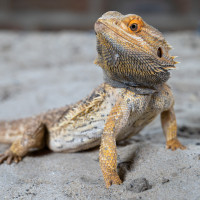
Intestinal parasites can be a serious problem for all reptiles, as they can become infected through contact with other reptiles, their droppings, or contaminated objects and substrate. A single reptile is not immune from infection, as they can re-infect themselves if an enclosure is not kept clean.
Are reptiles the right pet for me?
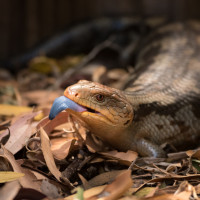
Although keeping reptiles (such as turtles, lizards, and snakes) is common in many parts of the world, relatively little is known about how to properly care for them in captive settings.
How should I care for my blue tongue skink?
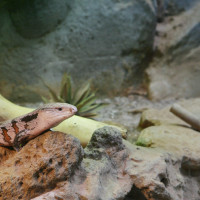
The most common reptile species kept as pets are typically medium-sized, non-threatened, captive-bred, and easily obtained. The Eastern Blue Tongue skink (Tiliqua scincoides scincoides) fits this description perfectly, making it a popular pet around the world.
How should I care for my bearded dragon?
The most common reptile species kept as pets are typically medium-sized, non-threatened, captive-bred, and easily obtained. The central (or inland) bearded dragon (Pogona vitticeps) fits this description perfectly, making it by far the most popular pet reptile in the world.
How should I care for my turtles?
Australia is home to over 20 species of freshwater turtle. They all share the characteristic of retracting their head and neck beneath their shell by folding it to one side (‘side-necked’ turtles), rather than drawing their head backwards as do most of the world’s species of turtles and tortoises.
How should I care for my carpet python?
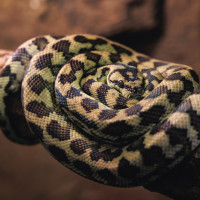
Large semi-arboreal (spending some of their time in trees) pythons of the genus Morelia are common in the suburbs of Australian cities such as Sydney, Brisbane, Cairns, Perth, and Darwin. Throughout most of this range, the most common python is the ‘carpet python’, Morelia spilota.
How will I keep my reptiles entertained, alert, and interested in their surroundings?
Behaviour in the wild Reptiles as a group vary widely in their natural history.
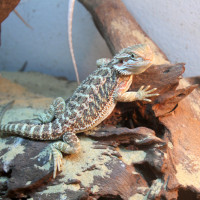
Where should I keep my reptile?
Where you put your reptile’s enclosure depends on a few different things, including: Temperature Sunlight Disturbances How much space your reptile needs In this article, we’ll go through these factors so that you can choose the best location for your reptile.
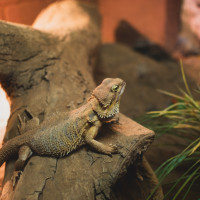
What should I feed my reptile?
Reptiles have evolved in many climates and localities, resulting in large variations in dietary requirements. Their dietary needs also vary greatly depending on species, size, and their state of maturity.
Is this the right reptile for me?
So, you’ve decided that a reptile is the right animal for you. But which reptile? There are some species that are not suitable as pets (especially for beginners) and others that will not be ready to breed for years. Do these characteristics fit in with your plans?