

Ferrets
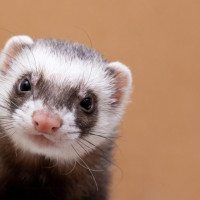
How should I care for my ferrets?
Ferrets’ name in Latin means ‘little thief,’ a group of them is called a ‘business,’ a female is called a ‘jill’, a male is a ‘hob’, and a juvenile is a ‘kit’.
How can I use environmental enrichment to provide opportunities for my ferrets to experience good welfare?
What is environmental enrichment? Environmental enrichment describes the provision of physical and social opportunities to promote ferret behaviour that is important, valuable, and specific to them.
How do I litter train my ferret?
Cleaning up after ferrets who have been to the toilet is not necessarily one of the most fun things about owning them – but it’s very important!
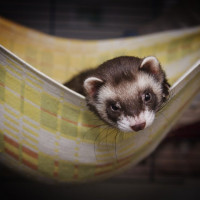
How can I keep my ferrets safe from household hazards?
Ferrets are curious and intelligent creatures. While this makes them both fun and entertaining companions, it can also lead them into trouble.
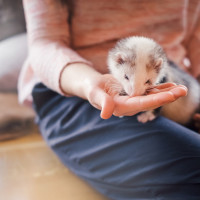
How do I groom my ferret?
Although ferrets are generally very clean pets, they do need some assistance in grooming themselves from time to time. Grooming includes bathing and drying, nail trimming, coat brushing, ear cleaning, and teeth brushing. Brushing Ferrets groom themselves by using their tongue.
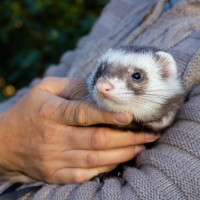
How do I socialise my ferrets with people and other ferrets?
Normal social behaviour Domesticated ferrets, unlike their wild cousins (the polecat and the weasel), are diurnal animals (active during the day), and many can be kept in pairs or groups without conflict.
Can my ferrets get parasites?
Internal parasites Adult ferrets are rarely affected by internal parasites such as worms, but juvenile ferrets (whose immune systems are not fully developed) are susceptible to coccidiosis and Giardia – protozoal (single-celled) parasites that cause severe diarrhoea and weight loss.
How should I handle my ferrets?
As with all animals, ferrets should be handled gently and with kindness and patience. They should be given choice about if, when, and how they interact with people. Using reward-based training (e. g.

What should I feed my ferrets?
Ferret dietary needs There are two key facts to understand when you are planning a diet for your ferrets: They are obligate carnivores – they must eat meat. A ferret has slightly more than half the length of intestine of a cat the same size.
Where should I get my ferrets?
If you have decided you would like to have ferret companions in your life, are confident you can provide for their mental and physical needs long term, and are sure it is legal to own a ferret where you live, the next step is to set up everything at home…