

Articles tagged with 'Racing animals'
What are the animal welfare issues with rodeos?
A rodeo is a form of entertainment or sport where horses and cattle are used to demonstrate what the organisers say are riding and handling skills. Events include bronco riding, bull riding, calf roping, team roping and steer wrestling.

Why does the RSPCA oppose the export of racing greyhounds?
RSPCA Australia opposes the export of Australian racing greyhounds because it puts them at significant risk of poor animal welfare outcomes. The risks include stress and injuries associated with long-distance transport, lack of animal welfare legal protection in importing countries, and the potential to enter the dog meat trade.
What is the RSPCA’s view on whips in Thoroughbred racing?
The RSPCA is opposed to the use of whips for the purpose of enhancing performance in racing due to the pain and distress they inflict on horses. The RSPCA supports the introduction of hands-and-heels racing where whips are carried for safety purposes where proven necessary.
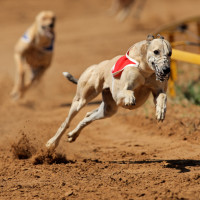
Is the use of live baits and lures in greyhound racing illegal?
RSPCA Australia is opposed to the use of live animals or animal carcasses or any part of an animal as a bait or lure for the purpose of training, baiting and blooding of greyhounds or other racing dogs. Only non-animal devices and products should be used for training purposes.
What are the animal welfare issues associated with horse jumps racing?
Jumps racing poses many welfare risks to racehorses which can result in significant pain, injury, distress and death. Thoroughbred jumps racing comprises either hurdle or steeple obstacles which are at least 1 metre in height.
What are the animal welfare issues with greyhound racing?
The RSPCA considers that there are significant ongoing animal welfare problems in the greyhound racing industry.
What is the RSPCA’s view on pigeon racing?
Pigeon racing poses many welfare risks. Racing pigeons may be susceptible to predator attack from birds of prey or other animals during the race. The races usually cover very large distances (several hundred kilometres) which places high physical demands on the pigeons.
Should pet greyhounds have to wear muzzles?
In some Australian jurisdictions, there is a compulsory requirement for pet greyhounds to wear a muzzle in public. Greyhound muzzling laws are based on ‘breed’ not on individual dog behaviour and are an example of breed-specific legislation (BSL).
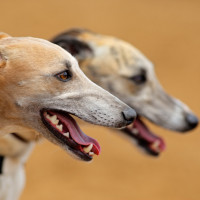
Should greyhound races be permitted in very hot weather?
Greyhound racing inherently poses significant risks to animal welfare. Racing greyhounds in very hot weather places them at significant risk of dehydration and heat stress. However, there are no consistent rules that prohibit greyhound racing in Australia above a specific temperature.
What is the RSPCA’s view on racing two-year-old horses?
The average age at which Thoroughbred horses commence racing is three years, but in Australia, some horses start their racing careers as two-year-olds.