

What are the animal welfare issues associated with feeding wildlife?
While feeding wildlife, especially birds, is a relatively common practice in Australia, this activity can cause negative impacts including nutritional imbalances, disease spread, behavioural alterations and wildlife dependency on humans. Therefore, despite the often-kind motivations for feeding wildlife, such as helping animals exposed to habitat loss or environmental stress, and attracting wildlife to homes and gardens, feeding wildlife is generally not recommended and is illegal in some regions.
What are the key risks?
Nutritional imbalances
The diet of many native species is often highly specialised and varied and so there is a risk that nutritional imbalances can occur when wildlife are given food. Examples include:
- Magpies and kookaburras who are fed a high meat diet, especially young growing birds, can develop weak bones and beaks, which can bend and break easily.
- Ducks who are fed a lot of bread can become malnourished. Bread has a low nutritional value compared to foods that ducks would naturally find in the wild. Bread can be thought of as ‘junk food’ for ducks.
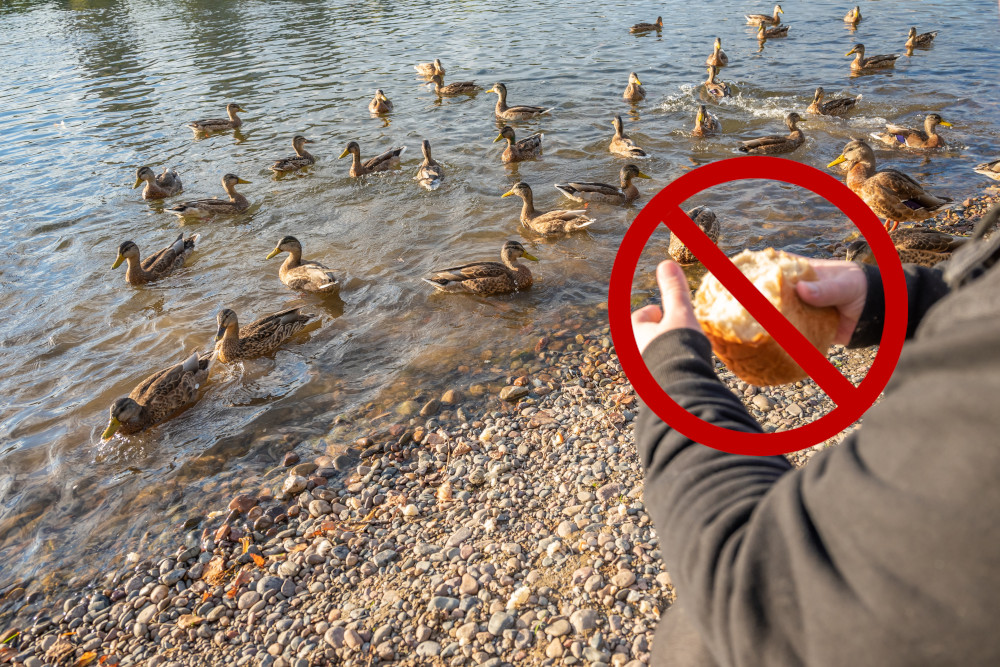
Please reconsider feeding bread to ducks, as it can cause them to become malnourished.
Disease and health problems
When animals congregate in one place, such as around a bird feeder, they have a higher risk of infectious disease [1]. This is particularly the case when animals are fed in the same place over a long period, as disease-causing microorganisms can build up to high numbers over time. For example, feeding wildlife can be associated with Salmonella and Chlamydia psittaci infections, both of which can also cause disease in humans [2].
In addition, feeding wildlife may also lead to other health problems; for example, fruit-based diets have been linked to life-threatening digestive problems in ringtail possums [3].
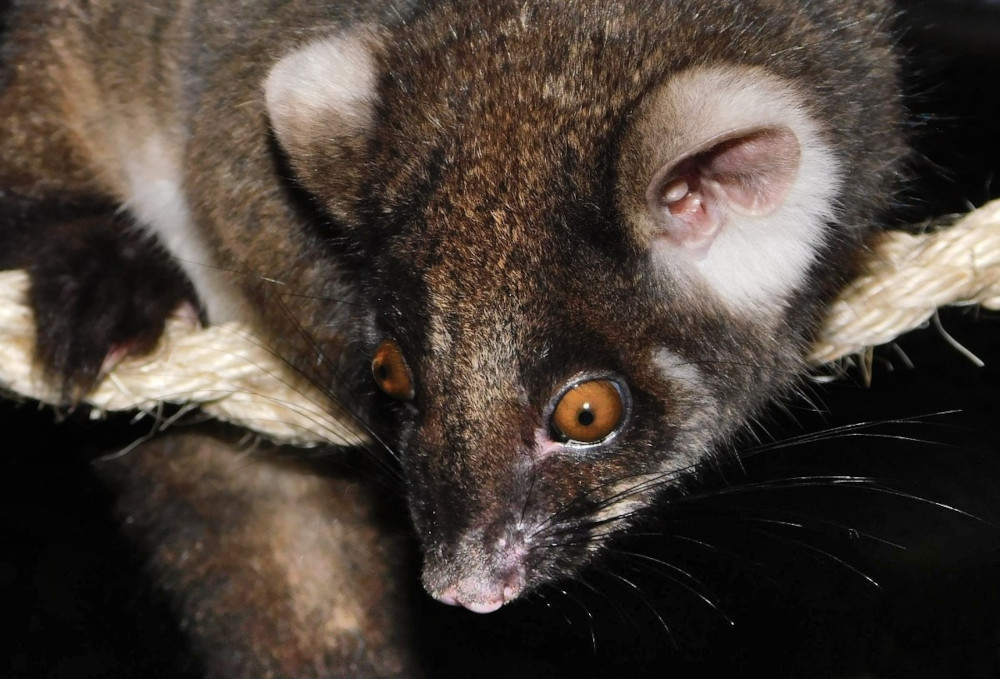
Ringtail possum.
Dependency and effects on animal behaviour
Animals who have become accustomed to humans can lower their survival defences, potentially making them more vulnerable to predators, including attacks from household or neighbouring pets.
Other dependency and behavioural problems include:
- Dependency of wild species on the human-provided food source [4] – this may be a problem if the person feeding the wildlife moves house or goes away for a holiday.
- Animals may start exhibiting nuisance behaviour, such as destruction of parts of buildings or gardens.
- Competition for food sources when high densities of animals are present can lead to aggression between animals and, at times, towards humans [4].
Environmental problems
- Feeding is usually only targeted towards some of the local species – this can lead to ecological disruption, with other species being pushed away from the area thereby creating population imbalances and reduced biodiversity.
- Pest species, such as rodents, can also increase in the local area if they are attracted to the leftover food.
Are there any situations where it is considered beneficial to feed wildlife?
There may be some circumstances where it is beneficial to feed wildlife, such as extreme drought conditions or when habitat is lost due to bushfire. However, local wildlife authorities may already be feeding wildlife in these situations. You should seek advice from state government departments responsible for wildlife management, wildlife organisations such as WIRES or Wildlife Victoria, or your state’s main zoo, before beginning any wildlife feeding.
Are there other ways that I can help wildlife in my area and encourage them into my garden?
Yes! Some ideas for attracting wildlife to your area include:
- Planting indigenous native species of flowering and fruiting plants.
- Helping your local conservation group to restore and expand habitat for wildlife in your area including tree hollows and providing appropriate nest boxes.
- Leaving water out for wildlife:
- Use a shallow container and provide an escape route (e.g. small rock or twig/stock) for small creatures who may inadvertently fall in.
- Keep water and container clean.
- Place water away from predators (including pets).
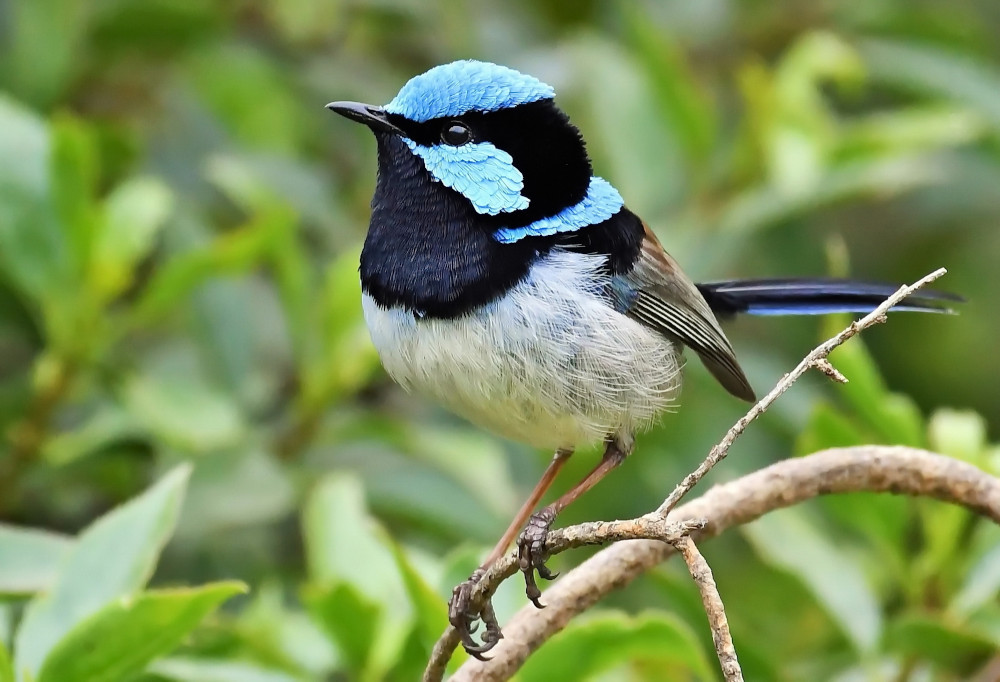
Superb fairywren.
References
Murray MH, Becker DJ, Hall RJ, Hernandez SM (2016) Wildlife health and supplemental feeding: a review and management recommendations. Biological Conservation 204(B):163-174.
Lawson B, de Pinna E, Horton RA et al. (2014) Epidemiological evidence that garden birds are a source of human salmonellosis in England and Wales. PLOS ONE 9(2):e88968.
Johnson R, Hemsley S (2008) Gliders and possums. In Medicine of Australian mammals; Vogelnest L, Woods R, Eds.; CSIRO Publishing: Victoria, Australia; pp 395-437.
Orams MB (2002) Feeding wildlife as a tourism attraction: a review of issues and impacts. Tourism Management. 23(3):281-293.
Was this article helpful?

This work is licensed under a Creative Commons Attribution-NonCommercial-NoDerivatives 4.0 International License.