

What vaccinations should my dog receive?
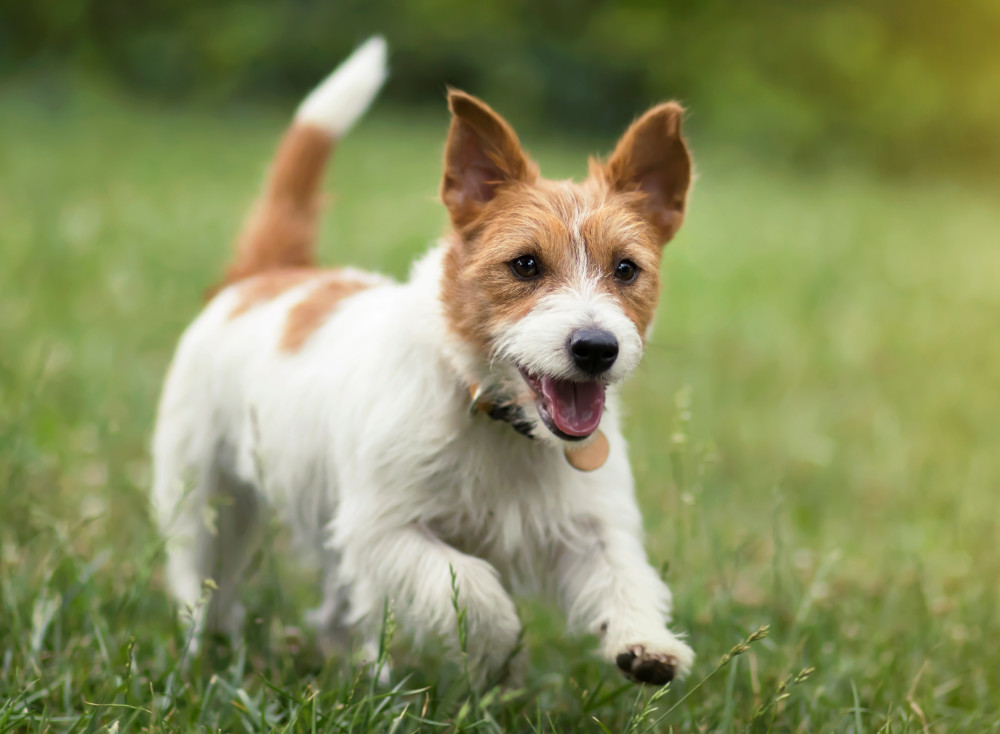
Vaccinations are an important part of caring for your dog as they can prevent or reduce the severity of infectious diseases such as canine distemper virus, canine adenovirus, and canine parvovirus, which can cause serious health consequences and even death.
Some general information on vaccinating dogs based on the 2024 World Small Animal Veterinary Association vaccination guidelines and advice from the Australian Veterinary Association is given below but should not replace individualised recommendations from your dog’s veterinarian.
Core and non-core vaccines
Core vaccines are those recommended for all dogs as these protect against potentially fatal diseases. The core vaccines for dogs are canine distemper virus, canine adenovirus and canine parvovirus [1, 2]. They are combined within a single vaccine commonly known in Australia as the C3 vaccine.
Non-core vaccines are those that are administered depending on the individual dog’s risk. This is based on an assessment of the dog’s location, lifestyle, and risk of exposure to the infection [1, 2]. Therefore, it is important to ask your veterinarian about which vaccines are most appropriate for your dog. Non-core vaccines in Australia include those which provide protection against disease caused by canine parainfluenza virus, Bordetella bronchiseptica (these both contribute to kennel cough) and leptospirosis [1, 2]. The canine parainfluenza virus and Bordetella bronchiseptica vaccine (commonly given together with the core vaccines and known as a C5 vaccine) is recommended for dogs who regularly come into contact with other dogs, such as on walks, at the park, day-care, puppy preschool, or boarding [3].
The 2024 World Small Animal Veterinary Association (WSAVA) guidelines highly recommend the leptospirosis vaccination for dogs who are in at-risk areas, have access to stagnant bodies of water, or have contact with livestock or rodents [1-3]. Leptospirosis is also a zoonotic disease, which means animals, including dogs, can pass the disease on to humans [3]. Talk to your local veterinarian about whether your dog requires the leptospirosis vaccination; they will conduct a risk-benefit analysis based on the prevalence and type of leptospirosis in your area (or areas to which you will travel with your dog) and the vaccines available [1]. For more information about leptospirosis, see this article.
Australia is a rabies-free country and thus a rabies vaccine is not necessary for dogs remaining in Australia. If you are planning on taking your dog overseas, you will need to speak to your veterinarian about what vaccinations (and other precautions and preparations) will be necessary for your dog to travel to and live in the destination country.
Your veterinarian may recommend other non-core vaccines based on your dog’s specific risk profile.
Puppy vaccinations
Current vaccination guidelines recommend that puppies’ first core vaccine should be given at 6-8 weeks of age, then a booster vaccine given every 2-4 weeks until at least 16 weeks of age [1, 2, 4]. Puppies receive antibodies from their mother which help protect them from diseases early in life. However, they can also interfere with the efficacy of vaccines until they eventually wane – how long this takes varies between individuals. By recommending the last puppy vaccine dose to be delivered at 16 weeks of age or older, it is expected that these maternally-derived antibodies will have diminished to a level low enough where it no longer affects the immunisation process [4]. The WSAVA provides an example vaccination schedule for a puppy to start at 8 weeks of age, where a 4-week interval between vaccinations would total three puppy vaccinations by 16 weeks of age [1, 2].
A booster vaccine is recommended at 6 months of age to ensure that a protective immune response develops in any dog that may not have responded to the initial vaccination course [1, 2, 4]. Alternatively, it may be possible for your veterinarian to perform serological testing at least 4 weeks after the last puppy vaccination to check if your dog has sufficient protection and whether they require the 6-month booster [1].
It is vital that puppies have appropriate and positive life experiences to prepare them for a successful life as companions (or in other roles) in which they can experience good welfare. This includes the need for appropriate socialisation during the puppies’ sensitive period which occurs prior to them being fully vaccinated. The Australian Veterinary Association considers that as long as adequate precautions are taken there is usually a low risk of contracting infectious disease for most puppies and that the benefits of appropriate socialisation outweigh the risks. Interactions with animals who are not up to date with their vaccinations, unsocialised, unwell or of unknown health status should be avoided, as should public areas where animals of unknown health status may have been (e.g., dog parks). Check with your veterinarian when your puppy will be fully vaccinated and can safely go to public places. For more information, see the Australian Veterinary Association’s policy on puppy and kitten socialisation and habituation. Before your puppy is fully vaccinated it is still important to allow them to have safe positive experiences in a variety of environments and with a variety of stimuli (including people, animals, noises, objects) but steps should be taken to minimise disease risk. The Australian Veterinary Association advises that options for socialising puppies prior to full vaccination include well run reputable puppy classes held indoors and fully vaccinated healthy pets in their residences [5]. The balance between disease risk and socialisation benefit will depend on the animal’s individual circumstances and should be discussed with the veterinarian.
If your veterinarian has recommended the canine parainfluenza virus and Bordetella bronchiseptica vaccine, this is usually given as a single intranasal vaccine (dripped into the nostrils, with the dog’s head held slightly back), with your puppy’s second core C3 vaccine, and then annually [1, 2]. This vaccination can also be given by a needle under the skin (as a single injection mixed with the core vaccines) with the core C3 puppy vaccines in two separate doses, 4 weeks apart (usually with the 2nd and 3rd puppy vaccine), and then annually.
Different veterinarians may use different vaccination protocols, so it is best to check with your veterinarian which vaccines and protocols they use.
If your veterinarian has recommended the leptospirosis vaccine, this is usually given with the core puppy vaccines in two separate doses, 4 weeks apart (usually with the 2nd and 3rd core C3 puppy vaccines), and then annually [1, 2].
The non-core vaccinations may be given at the same time as the core vaccination to reduce veterinary visits. Alternatively, they can be given separately where required such as in the case of your dog needing to go into boarding at short notice or travel somewhere that and additional type of vaccine is recommended.
Adult dog vaccinations
Once your dog has completed all their core puppy vaccinations and the booster, they should have their core vaccination every 1-3 years [1, 2, 4], depending on the duration of immunity provided by the vaccine your veterinarian uses – it is best to check with your veterinarian which vaccination they use. Alternatively, your veterinarian may use serological testing to guide revaccination intervals [1]. If your veterinarian has recommended any of the non-core vaccinations (e.g., canine parainfluenza virus, Bordetella bronchiseptica, or leptospirosis), they are generally required annually [1, 2].
If you attain a dog of 26 weeks of age or older with an unknown or incomplete vaccination history, a single dose of the core vaccine will likely provide adequate protection, but it is important to speak to your veterinarian for advice.
If your veterinarian has recommended the leptospirosis vaccine, the adult dog will require two doses (like a puppy) to be fully immunised [1]. It is best to speak to your veterinarian about this, especially if you intend to travel or relocate interstate or to a new country, as the risk to your dog and, therefore, the vaccination recommendations, may change.
If you are considering breeding your dog, discuss your dog’s vaccination needs with your veterinarian and follow their recommendations before breeding.
Your veterinarian will always do a health check before administering a vaccination to ensure your puppy or dog is healthy. The core vaccines used in dogs are very safe with a very low incidence of adverse reactions. The benefits of protection from serious infectious disease significantly outweigh the risks of developing an adverse reaction [1, 2]. If you have any concerns about adverse vaccine reactions or the health of your dog, it is best to speak to your veterinarian.
It is important for dogs to have an annual (or more frequent) health check with their veterinarian even if they are on a vaccination schedule that means they are not being vaccinated every year.
References
Squires RA, Crawford C, Marcondes M, Whitley N (2024) 2024 guidelines for the vaccination of dogs and cats – compiled by the Vaccination Guidelines Group (VGG) of the World Small Animal Veterinary Association (WSAVA). Journal of Small Animal Practice 65(5):277–316.
Ellis et al. (2022) 2022 AAHA Canine Vaccination Guidelines. Journal of the American Animal Hospital Association 58(5):213-230.
Johnson A (2014) Canine Infectious Disease. In: Small Animal Pathology for Veterinary Technicians; John Wiley & Sons Inc.: Iowa; pp. 7-19
Australian Veterinary Association (2018) Vaccination of dogs and cats. Accessed on 29.4.2025.
Australian Veterinary Association (2024) Puppy and kitten socialisation and habituation. Accessed on 22.1.2026.
Was this article helpful?

This work is licensed under a Creative Commons Attribution-NonCommercial-NoDerivatives 4.0 International License.