
Cats are obligate or true carnivores, which means they are dependent on the nutrients provided by a diet based on consuming prey animals. This means they cannot be healthy or survive without the specific nutritional components in such a diet. In the wild, cats eat the carcasses of the prey animals they hunt, which consist of raw meat, bones and organs. They also consume a small amount of the vegetable matter contained in the gut of their prey.
Basic cat feeding guide
The following information is general advice, but as each cat is an individual, seek veterinary advice, particularly if your cat has any special dietary needs or has a reaction to a standard diet.
The basis of your cat’s diet should be a high quality balanced premium commercial cat food that is appropriate for their life stage and health status [1]. By reading the label, you should check that the food meets the Australian Standard for the manufacturing and marketing of pet food (AS5812) [2] or an equivalent international standard (including being a nutritionally complete pet food and conforms to the recommended requirements for cats in accordance with an internationally recognised nutritional profile (e.g., AAFCO or FEDIAF) [1]. A balance of wet and dry food is preferable. Never feed puppy or dog food to your cat as it will be deficient in taurine, an essential protein that cats can only obtain through food.
Provide some moist foods such as wet canned food or pouches in the diet regularly as this helps to ensure adequate water intake and supports their physical wellbeing, including helping maintain a healthy urinary tract.
The amount of food required will depend on your cat’s size, age and level of activity, but you should take care not to overfeed or underfeed. Your vet will be able to weigh your cat, assess your cat’s body condition score and provide advice.
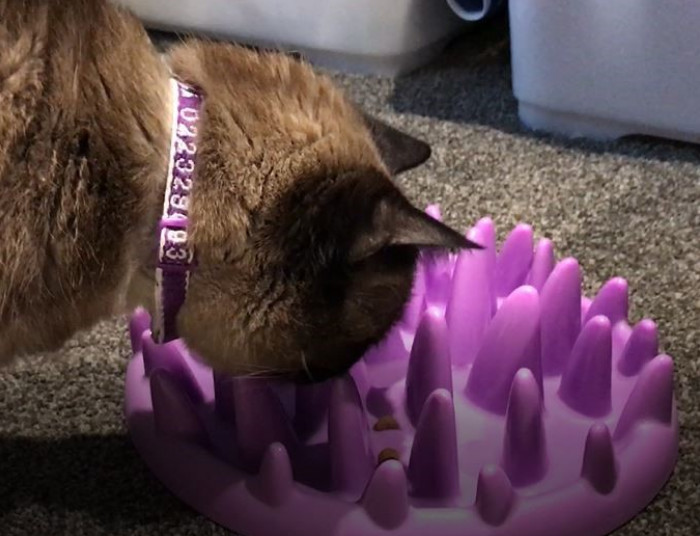
Adult cats tend to prefer eating several smaller meals throughout the day/night, which is how they hunt if they live in the wild. They should ideally be offered food at least 4 to 5 times per day because eating smaller frequent meals has been associated with greater urinary tract health and is consistent with their natural feeding pattern. Providing opportunities for cats to exert effort and search for their food (such as using puzzle feeders and varying the location of feeding) makes feeding time last longer and more interesting and fun, this may also increase activity and help prevent obesity.
Some cats can be ‘fussy eaters’, which can develop when they are fed the same food over a long period. They can be tempted to eat by slightly warming their food, offering foods that are tasty (due to high levels of protein or fat) or have a strong odour, and by offering variety, including new and different foods.
Please ensure clean fresh drinking water is available at all times but do not provide milk as this can cause gastrointestinal upsets.
Other foods
Your cat should be fed a complete and balanced diet appropriate for their life stage and health status and so any other foods should only be fed occasionally as treats, these foods are not suitable as the main part of the diet.
Fish, such as tinned sardines, tuna or salmon in spring water (take care with any fish bones) can be offered as a treat occasionally. Cooked meat such as boiled or steamed chicken may also be offered occasionally, but please ensure that no cooked bones, onions/onion sauces or other toxic substances are consumed by the cat (see below).
Bones and raw meat are not recommended as they carry bacteria that can make both animals and humans ill and bones can break teeth and cause constipation and internal blockages [3].
Special dental foods and chews are a good alternative if you wish to provide your cat with food and treats that assist with teeth cleaning – the global Veterinary Oral Health Council lists dental products that meet standards for safety and reducing plaque/tartar.
If you do choose to offer bones to your cat, they should always be raw and introduced gradually. Never feed your cat cooked bones as these can splinter, causing potentially fatal internal damage or blockage. Always supervise cats if they are eating raw bones.
If you do decide to feed your cat any raw meat or raw bones, it is recommended that you choose only human-grade raw meat and bones. You should avoid raw meat products marketed as pet food (pet meat/pet mince/pet rolls and bone products), sausages, sausage meat and cooked manufactured meats as they can contain sulphite preservatives. There have been many pet food safety incidents linked to sulphite preservative-induced thiamine (Vitamin B1) deficiency, which can be fatal.
Cats may also be offered a small amount of finely-cut vegetable matter. It is important to remember that cats are ‘obligate carnivores’, and they do not have some special enzymes and body processes which other animals have to digest and convert plant nutrients. This means that they cannot utilise plant-based foods in the same way that dogs and many other animals can. See this article for more information on cats’ special dietary needs
Cats may benefit from having access to grass (avoid chemically treated grass and toxic plants). Cats will occasionally eat grass, which may be a source of vegetable matter and micronutrients. Be aware that that concerns have been raised that large amounts of certain types of ‘cat grass’ may be harmful.
Harmful foods
Do not ever feed the following substances as they can be harmful to cats (note this is not a complete list): alcohol, onions, onion powder, garlic, chocolate, coffee or caffeine products, mouldy or spoiled foods or compost, avocado, bread dough, yeast dough, grapes, raisins, sultanas (including in Christmas cakes etc), currants, nuts (including macadamia nuts), fruit stones or ‘pits’ (e.g. mango seeds, apricot stones, avocado stones), fruit seeds, corncobs, tomatoes, mushrooms, cooked bones, small pieces of raw bone, fatty trimmings/fatty foods, salt and roughly-cut vegetables.
Also ensure your pet cat doesn’t have access to string wrappings around rolled roasts or absorbent pads found under meat when wrapped on trays.
References
[1] Quimby J, Gowland S, Carney HC et al (2021) 2021 AAHA/AAFP Feline Life Stage Guidelines.
[2] Standards Australia (2023) Australian Standard for the manufacturing and marketing of pet food (AS5812).
[3] Cline MG, Burns KM, Coe JB et al (2022) 2021 AAHA Nutrition and Weight Management Guidelines for Dogs and Cats.